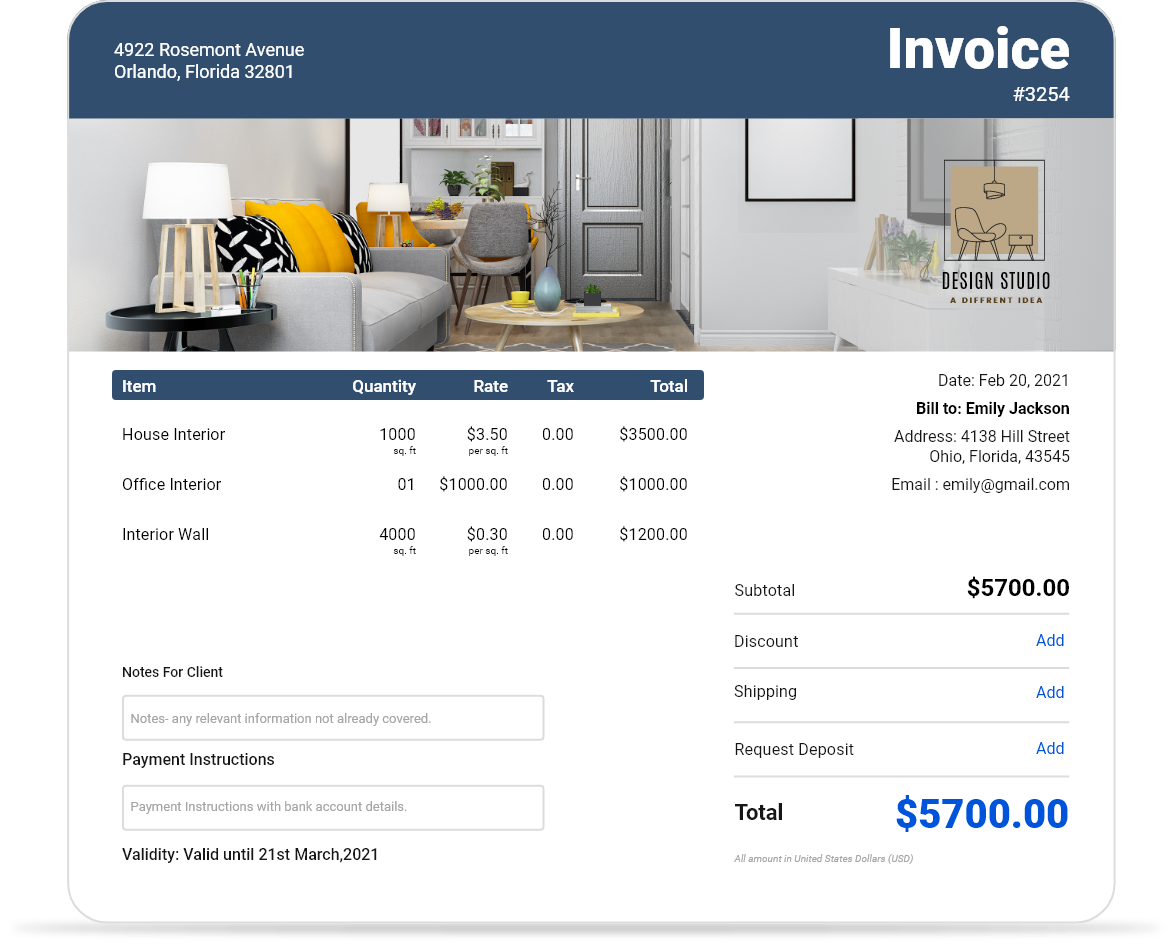
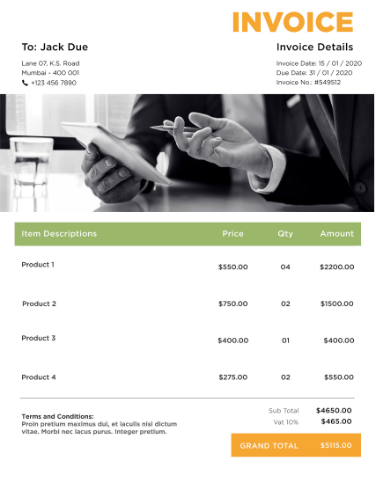
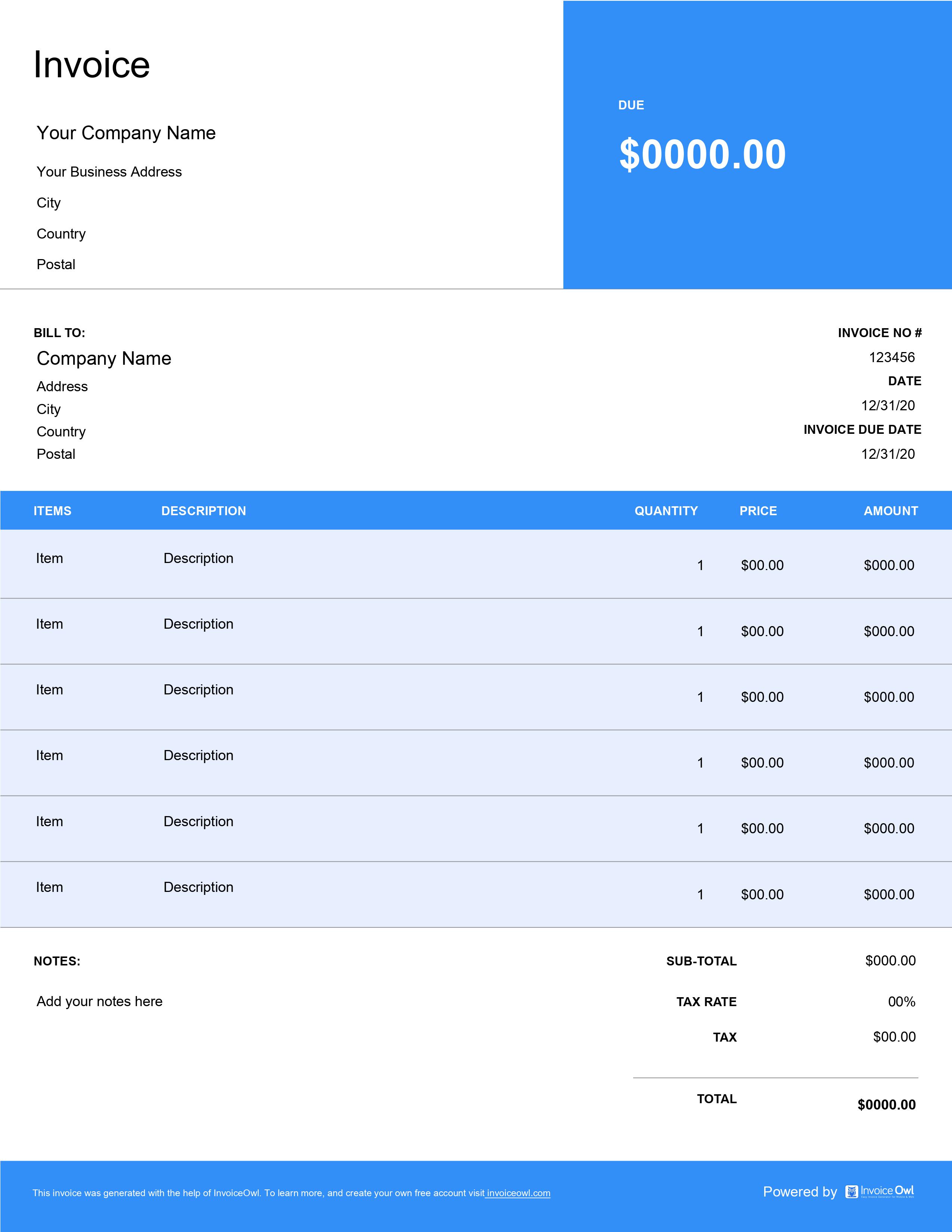
Download Free Interior Design Invoice Templates
Access professional interior design invoice templates for designers, decorators, and home staging professionals. Streamline billing for consultations, furnishings, and complete design projects.
 Word
Word Excel
Excel PDF
PDF Docs
Docs All
All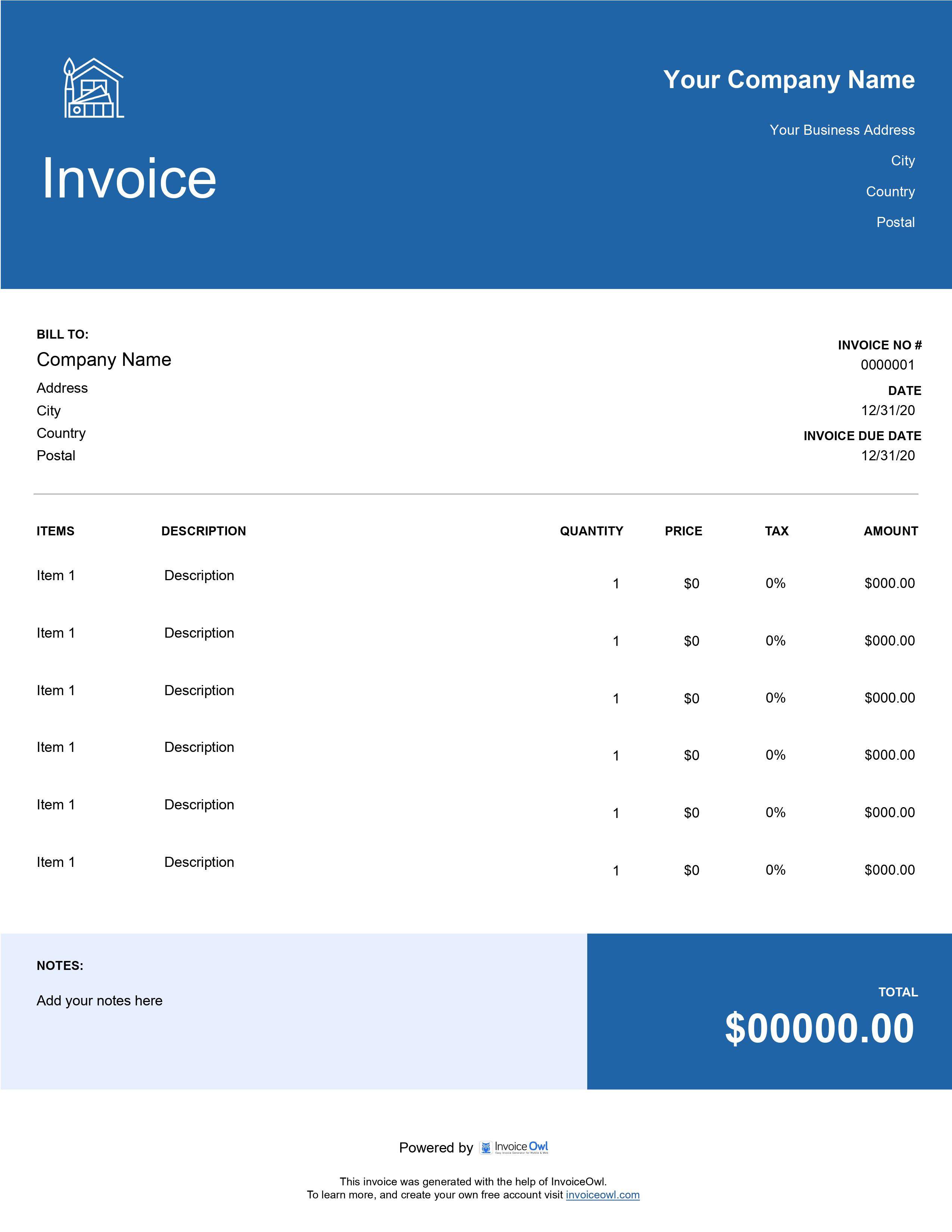
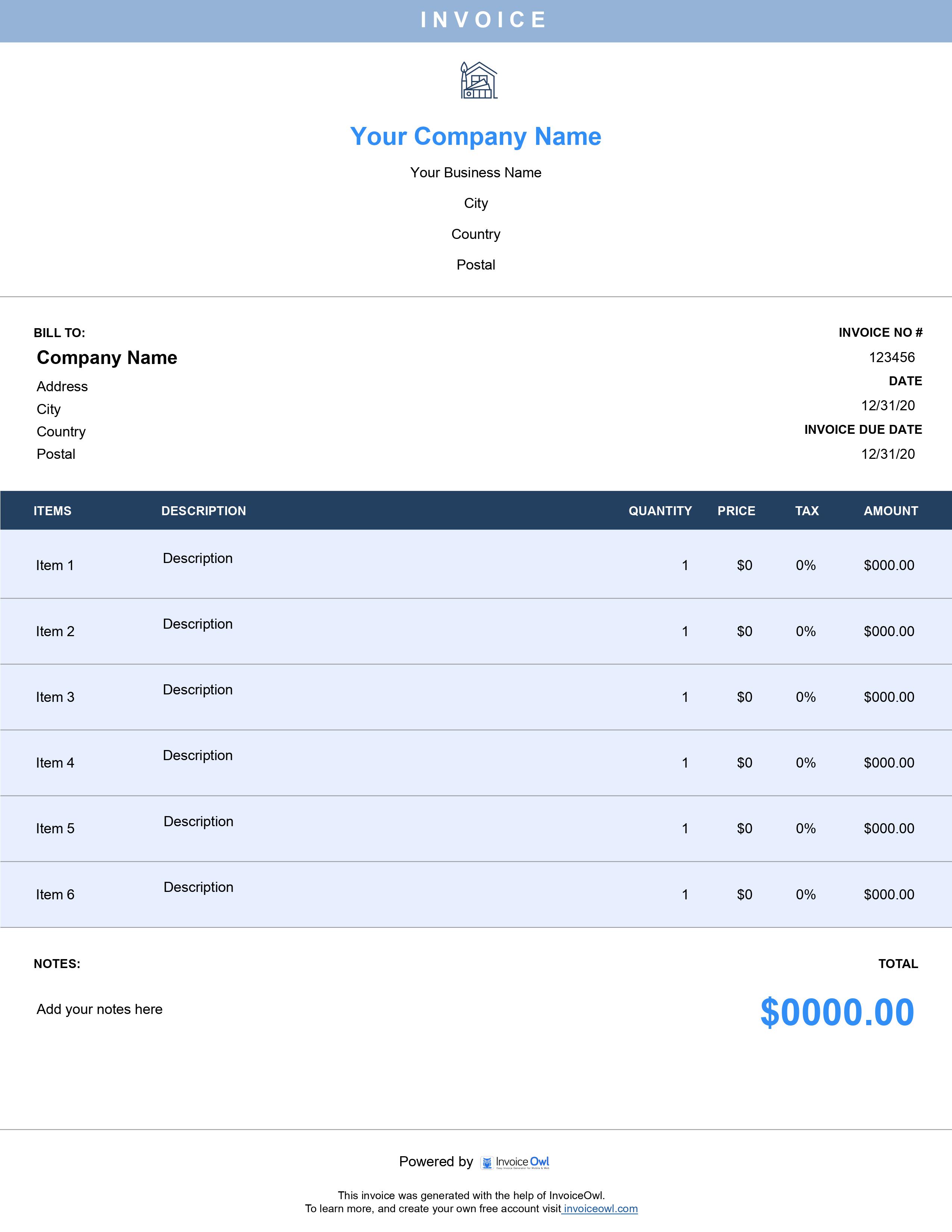
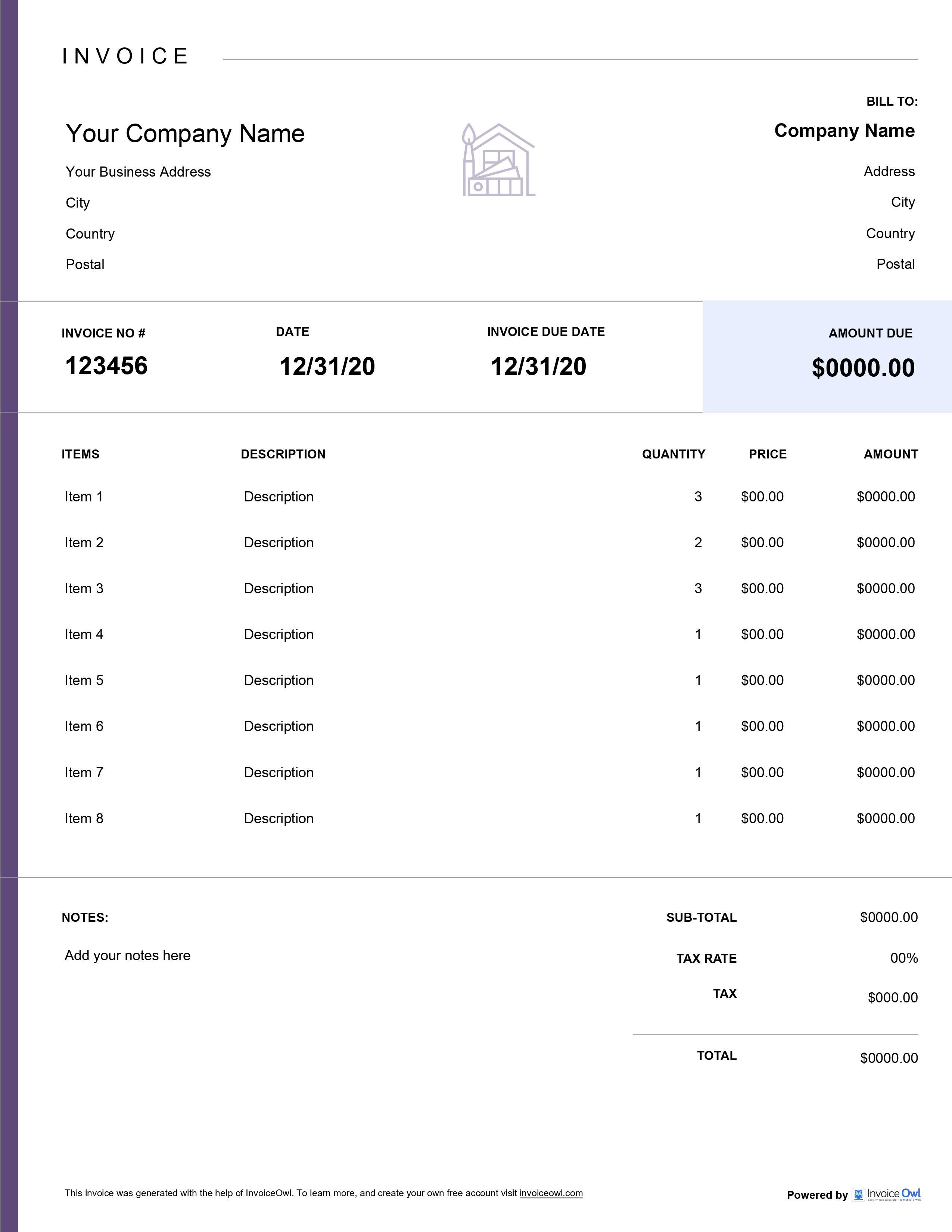
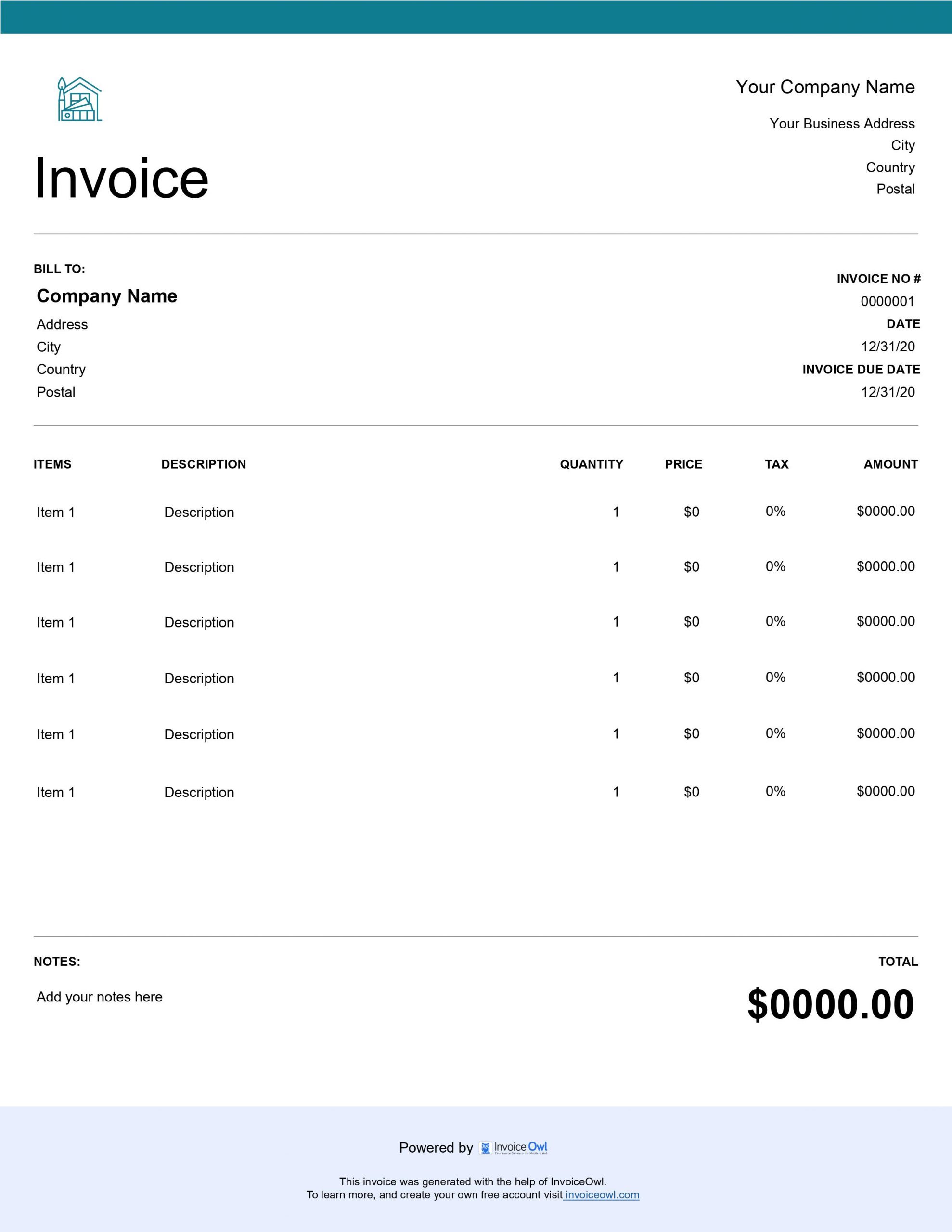
InvoiceOwl vs Free Interior Design Invoice Template
See why professionals choose InvoiceOwl
Elevate Your Interior Design Business with Professional Invoice Templates
Transform your billing process with our free, customizable interior design invoice templates. Available in multiple formats including Word, Excel, PDF, and Google Docs, these templates are specifically crafted for design professionals who demand both elegance and efficiency.
Whether you're billing for residential redesigns, commercial space planning, furniture procurement, or design consultations, our templates help you create sophisticated, itemized invoices that reflect the quality of your work and accelerate payment collection.
Streamline Your Interior Design Invoicing Process
Between managing client meetings, coordinating with contractors, sourcing materials, and executing design visions, paperwork shouldn't consume your creative energy. Yet many interior designers spend hours each week creating invoices from scratch—time that could be invested in growing your portfolio.
A professionally structured interior design invoice template eliminates this administrative burden. It provides crystal-clear documentation of design services, procurement fees, consultation hours, and material markups, ensuring transparency that builds client confidence while maintaining compliance with professional standards and tax requirements.
Available Template Formats
Our interior design invoice templates come in multiple convenient formats to match your workflow:
Microsoft Word - Easy customization with full design control. Perfect for designers who want complete flexibility over invoice appearance.
Microsoft Excel - Automated calculations for complex pricing models. Ideal for managing procurement markups and detailed cost breakdowns.
PDF Format - Polished presentation that matches your brand. Great for sending professional invoices that maintain formatting.
Google Docs - Cloud collaboration for team projects. Perfect for design firms with multiple team members.
Whether you're invoicing for concept development, space planning, FF&E procurement, or full-scale renovations, our templates include e-signature capabilities to expedite client approval and payment processing. Maintain your professional image, stay organized, and improve cash flow with a single, elegant solution.
Why Interior Designers Need Professional Invoice Templates
Creating invoices from scratch diverts valuable time away from design work and client relationships. Interior designers often spend 20-40 minutes per invoice when starting with a blank document—time that adds up quickly across multiple projects and clients.
Our pre-designed interior design invoice templates solve this inefficiency instantly. Download once, customize with your brand elements, and reuse for every client engagement—from initial consultations to final installations.
Faster Payment Collection - Deliver professional invoices immediately after services are rendered, encouraging prompt payment and maintaining healthy cash flow for your design business.
Dramatic Time Savings - Reduce invoice creation time from 40 minutes to under 5 minutes per invoice, freeing hours each week for creative work and client development.
Eliminate Billing Errors - Pre-formatted calculations for design fees, procurement markups, hourly rates, and taxes ensure accuracy and prevent costly mathematical mistakes.
Enhanced Professional Image - Consistent, elegant invoices reinforce your brand identity and demonstrate attention to detail—qualities clients expect from interior design professionals.
Superior Project Tracking - Maintain organized records of all client billing, project phases, and payment history for streamlined financial management and tax preparation.
Transparent Fee Structure - Clearly itemized services help clients understand your value proposition, reducing payment disputes and building long-term trust.
How to Create Professional Interior Design Invoices
Creating a professional interior design invoice is straightforward when you follow these steps.
Step 1: Download and Brand Your Template
Select your preferred invoice template format (PDF, Google Docs, Word, or Excel). Add your design firm's name, logo, contact information, and business address. Include professional credentials like ASID or NCIDQ certification if applicable.
Step 2: Customize Template Design Elements
Align the invoice aesthetics with your brand identity by adjusting color palettes, typography, and layout elements. Add your signature design touches to create a cohesive brand experience that extends from your portfolio to your invoicing.
Step 3: Detail All Design Services and Deliverables
Itemize each service component with complete transparency including design consultation hours and rates, concept development and mood board creation, space planning and floor plan services, 3D renderings and visualization, material and finish selection, furniture, fixtures, and equipment (FF&E) procurement, project management and contractor coordination, installation and styling services, and procurement markups and vendor coordination fees.
Step 4: Include Financial Details and Payment Terms
Add applicable sales tax on tangible goods and services per local regulations. Clearly specify accepted payment methods (ACH, credit card, wire transfer), payment schedule (deposit, milestone, final payment), payment due dates for each installment, retainer or deposit amounts already received, late payment fees and interest charges, and refund and cancellation policies.
Step 5: Review, Finalize, and Deliver
Verify all calculations, project details, and client information for accuracy. Ensure the total amount due and payment deadline are prominently displayed. Send via email or your preferred project management platform immediately upon project milestone completion.
Elevate your invoicing process with automated solutions that handle recurring billing, payment reminders, and e-signature collection. Modern invoicing tools integrate with your existing workflow, allowing you to focus on design excellence while ensuring timely, professional billing without manual intervention.
Essential Elements of Professional Interior Design Invoices
A comprehensive interior design invoice must clearly articulate the value of your creative services and make it effortless for clients to understand project costs. Including all critical components prevents misunderstandings and payment delays while demonstrating professionalism.
Your invoice should include design firm name, logo, and complete contact information, professional credentials and business license number, client name and project address, unique invoice number for accounting, invoice date and service period covered, payment due date and terms, itemized list of all design services provided, hourly rates or flat fees for design work, detailed procurement costs with markup percentages, material and product specifications with costs, travel and site visit charges if applicable, subtotal for services and subtotal for products, applicable sales tax on taxable items, total amount due with previous payments deducted, payment methods accepted and processing details, retainer or deposit information, late payment policies and fees, project-specific notes or next steps, and a professional thank you message.
Specialized Invoice Types for Interior Design Professionals
Interior design projects vary widely in scope, duration, and billing structure. Different engagement types require tailored invoice formats to ensure clarity and maintain professional standards throughout the client relationship.
Hourly Rate Invoice - Perfect for design consultations, space planning sessions, and advisory services where time-based billing provides the fairest compensation model.
Flat Fee Project Invoice - Ideal for complete room redesigns, home staging, or defined-scope projects with predetermined pricing structures.
Retainer-Based Invoice - Designed for ongoing client relationships, monthly design services, or exclusive design partnerships requiring consistent monthly billing.
Procurement Invoice - Essential for furniture and materials purchasing, featuring cost breakdowns, vendor pricing, design markup, and delivery coordination fees.
Milestone Payment Invoice - Best for large-scale renovations or commercial projects with phased deliverables like concept approval, design development, and final installation.
Maintain transparency by creating distinct line items for professional design services versus product procurement. This clarity helps clients understand your value as a design expert separate from material costs, prevents confusion, and demonstrates professional billing practices that comply with industry standards.
Interior Design Pricing Models
Understanding and communicating your pricing structure clearly on invoices is crucial for client relationships and business profitability. Interior designers typically use one or more of these billing approaches depending on project scope and client preferences.
Hourly Billing - Charge based on time invested in design work, consultations, and project coordination. Typical hourly rates range from $50 to $500+ depending on experience, location, and project complexity. Include detailed time logs for transparency.
Flat Fee Projects - Set a fixed price for complete project delivery, providing clients with budget certainty. This approach works well for standardized services like single-room redesigns or home staging packages.
Square Footage Pricing - Calculate fees based on the size of the space being designed, commonly used for commercial projects or large residential renovations. Rates typically range from $5 to $15+ per square foot.
Percentage of Project Cost - Charge a percentage (typically 10-30%) of the total project budget for comprehensive design services. This model aligns your compensation with project scale and complexity.
Cost-Plus Procurement - Add a markup percentage (usually 20-40%) to the wholesale cost of furniture, materials, and fixtures you source for clients. Clearly document wholesale costs and markup rates for transparency.
Frequently Asked Questions
Interior designers use several billing models depending on project scope and client preferences: hourly rates ($50-$500+ per hour based on experience and location), flat fees for defined projects, percentage of total project cost (typically 10-30%), square footage pricing for large spaces, or cost-plus procurement where designers add a markup (20-40%) to wholesale furniture and material costs. Many designers combine multiple methods—for example, charging hourly for design services plus a markup on procured items.
Tax treatment varies by state and service type. In most U.S. jurisdictions, professional design services (consultations, space planning, design concepts) are non-taxable services. However, tangible products you sell—furniture, fixtures, materials—are typically subject to sales tax. Some states also tax installation labor. The safest approach is to consult with a tax professional in your state to ensure compliance, as incorrect tax collection can result in penalties and back-tax liabilities.
For optimal cash flow, invoice at logical project milestones rather than waiting until project completion. Common milestone points include: after initial consultation, upon concept approval, when design development is complete, when orders are placed with vendors, and after final installation. For retainer clients, invoice on a consistent monthly schedule. Always send invoices promptly after completing each milestone—delays in invoicing often result in payment delays.
A professional interior design invoice should include your business name, logo, and contact information; client details and project address; unique invoice number and date; detailed line items for all services provided (design hours, procurement fees, materials); clear pricing for each item; subtotals for services and products separately; applicable sales tax; total amount due; payment terms and due date; accepted payment methods; and any deposits or previous payments applied. This transparency prevents disputes and demonstrates professionalism.
There are two approaches to billing for procurement: transparent markup or retail pricing. With transparent markup, show the wholesale cost and your markup percentage as separate line items (e.g., "Sofa - Wholesale Cost: $2,000" and "Design Service Fee (30%): $600"). With retail pricing, simply list the final retail price without breaking down your margin. Many designers prefer the retail approach as it focuses clients on total value rather than your profit margin. Choose the method that aligns with your market positioning and client expectations.