
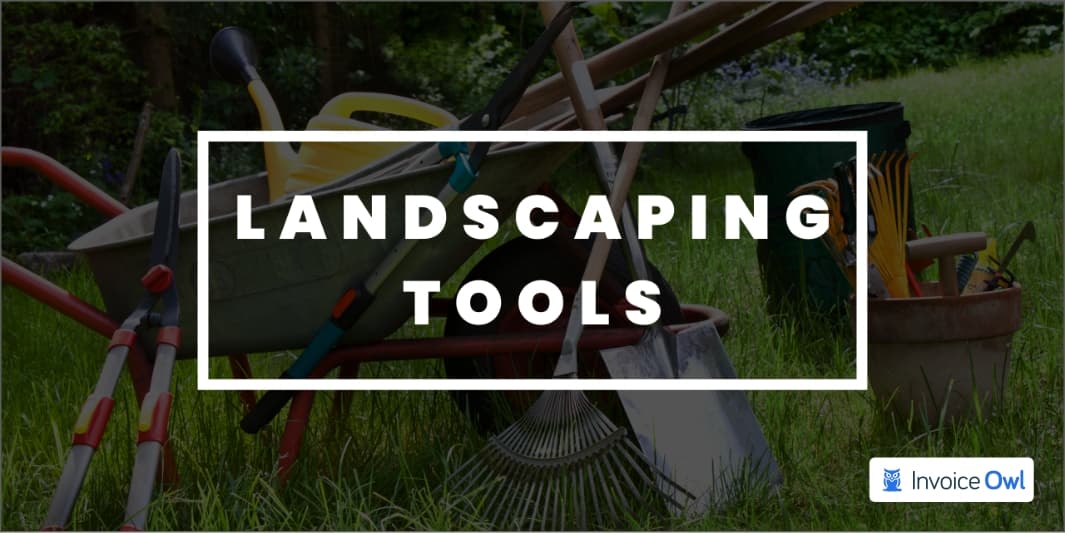
Key Takeaways
- 01The landscaping industry reached $178 billion in 2026, making professional-grade tools essential for staying competitive
- 02New contractors should budget $5,000-$15,000 for a complete starter tool kit, with financing options available
- 03Hand tools remain essential for precision work—quality matters more than quantity for longevity and performance
- 04Battery-powered equipment has largely caught up to gas in performance while offering lower maintenance and operating costs
- 05Proper safety equipment isn't optional—OSHA requirements and liability concerns make PPE a critical investment
- 06Tool organization and vehicle setup directly impact daily efficiency and crew productivity
Starting or scaling a landscaping business requires more than skill—it demands the right equipment. Whether you're a solo operator building your first trailer setup or a established contractor expanding your fleet, this guide covers every tool category you'll encounter.
We've organized this guide by tool category, with specific product recommendations, price ranges, and guidance on when to buy versus rent. The goal: help you make informed purchasing decisions that match your business stage and budget.
Quick Reference: Tool Categories at a Glance
Landscaping Tool Categories Overview
| Category | Investment Range | Priority Level | Best For |
|---|---|---|---|
| Hand Tools | $200–$800 | Essential (Day 1) | Precision work, small jobs, backup |
| Cutting & Pruning | $150–$2,500 | Essential (Day 1) | Plant maintenance, shaping |
| Mowing Equipment | $300–$15,000+ | Essential (Day 1) | Lawn maintenance contracts |
| Power Tools | $200–$5,000 | High | Efficiency on larger properties |
| Digging & Earth Moving | $100–$500 | Essential (Day 1) | Planting, bed preparation |
| Material Handling | $80–$600 | High | Moving mulch, soil, debris |
| Irrigation Tools | $50–$300 | Medium | Irrigation maintenance/install |
| Hardscape Tools | $200–$2,000 | Specialty | Paver installation, walls |
| Safety Equipment | $200–$600 | Essential (Day 1) | OSHA compliance, protection |
| Cleaning Equipment | $150–$4,000 | Medium | Property cleanup, upsells |
Hand Tools: The Foundation of Every Job
Hand tools are the backbone of landscaping work. While power equipment handles volume, hand tools deliver the precision that separates professional results from amateur work. Invest in quality here—cheap hand tools fail when you need them most.
Digging and Soil Preparation Tools
1. Round-Point Shovel
The workhorse of landscaping. Used for digging holes, transplanting, breaking ground, and moving loose materials.
What to look for: Forged steel head (not stamped), fiberglass or hardwood handle, forward-turned step for boot protection. A 48" handle works for most users; taller operators may prefer 52".
Price range: $25–$80
Recommended brands: Bully Tools, Corona, Leonard
Expected lifespan: 5–10 years with proper care
2. Square-Point Shovel (Transfer Shovel)
Flat blade designed for scooping and transferring materials rather than digging. Essential for loading mulch, gravel, and soil into wheelbarrows.
Price range: $25–$70
Recommended brands: Bully Tools, Razor-Back, Ames
3. Garden Spade
Flat, sharp blade with squared edges. Used for edging beds, cutting through sod, transplanting, and dividing perennials. The straighter blade provides more control than a shovel.
Price range: $30–$90
Recommended brands: Spear & Jackson, Corona, Fiskars
4. Trenching Shovel
Narrow, elongated blade designed for digging trenches for irrigation lines, drainage, or edging. The 4–6" wide blade removes soil efficiently from confined spaces.
Price range: $30–$60
Recommended brands: Razor-Back, Ames, True Temper
5. Garden Hoe
Ancient tool, still indispensable. Used for weeding, breaking up soil, creating furrows, and cultivating around plants.
Types to know:
- Stirrup hoe (hula hoe): Oscillating blade cuts weeds on push and pull strokes
- Collinear hoe: Thin blade for precision weeding in tight spaces
- Standard hoe: Angled blade for general cultivation
Price range: $20–$60
Recommended brands: Rogue Hoe, Corona, DeWit
6. Digging Bar
Heavy steel bar (typically 14–18 lbs) used for breaking through hardpan, prying rocks, and digging in rocky soil. Essential for challenging terrain.
Price range: $40–$80
Recommended brands: Truper, Bon Tool, Ames
7. Post Hole Digger (Clamshell Digger)
Two-handled manual digger for fence posts, mailbox posts, and small tree plantings. Faster than a shovel for deep, narrow holes.
Price range: $30–$70
Recommended brands: Seymour, Razor-Back, True Temper
Raking and Leveling Tools
8. Leaf Rake (Lawn Rake)
Flexible tines designed for gathering leaves, grass clippings, and light debris without damaging turf. Choose a 24–30" head width for efficiency.
Price range: $15–$45
Recommended brands: True Temper, Corona, Fiskars
9. Bow Rake (Garden Rake)
Rigid steel tines for heavy-duty work: leveling soil, spreading mulch, removing rocks, and preparing seedbeds. The curved bow design adds strength.
Price range: $25–$60
Recommended brands: Razor-Back, Corona, Leonard
10. Landscape Rake (Leveling Rake)
Wide aluminum or steel head (24–36") with adjustable tines for fine grading, leveling topsoil, and seedbed preparation. Essential for lawn renovation work.
Price range: $40–$120
Recommended brands: Midwest Rake, Bon Tool, Razor-Back
11. Thatch Rake
Sharp, crescent-shaped blades designed to cut through and remove thatch buildup from lawns. Manual alternative to power dethatchers for small areas.
Price range: $30–$50
Recommended brands: Ames, True Temper, Groundskeeper II
12. Hand Cultivator
Three-pronged claw for loosening soil, removing weeds, and aerating around plants. Essential for bed maintenance and transplanting.
Price range: $10–$25
Recommended brands: Corona, Fiskars, DeWit
Clean tools after each use to prevent rust and soil buildup. Store hanging or in racks—never leave laying on concrete. Oil wooden handles annually with linseed oil. Sharpen blades seasonally. These practices can double or triple tool lifespan.
Cutting and Pruning Tools
Quality cutting tools are critical for plant health and professional appearance. Dull or poorly maintained cutting equipment tears plant tissue, inviting disease and creating unsightly wounds.
Hand Pruners and Shears
13. Bypass Pruners
The most-used cutting tool in landscaping. Two curved blades pass each other (like scissors) for clean cuts on living stems up to ¾" diameter.
What matters: Blade steel quality, ergonomic grip, replaceable parts. Look for SK5 or Japanese steel blades.
Price range: $25–$80
Recommended brands: Felco (industry standard), ARS, Corona
Pro tip: Felco offers left-handed models and extensive replacement parts
14. Anvil Pruners
Single blade cuts against flat surface. Best for dead wood and dry stems—the crushing action would damage live tissue.
Price range: $15–$40
Recommended brands: Corona, Fiskars, Bahco
15. Ratchet Pruners
Mechanical advantage system allows cutting thicker branches with less hand strength. Good for operators with hand fatigue or arthritis.
Price range: $20–$45
Recommended brands: Corona, Fiskars, Gardena
16. Loppers
Long-handled pruners for branches ½" to 2" diameter. Bypass models for live wood, anvil for dead wood. Handle length typically 15–36".
Price range: $30–$80
Recommended brands: Corona, Felco, ARS, Fiskars PowerGear
17. Hedge Shears (Manual)
Long blades for shaping hedges and ornamental shrubs. Manual shears offer more control than power trimmers for formal hedges.
Price range: $25–$70
Recommended brands: ARS, Okatsune, Corona
18. Grass Shears
Short-bladed shears for trimming grass in areas string trimmers can't reach—around delicate plants, edging, and detail work.
Price range: $15–$35
Recommended brands: Corona, Fiskars, Bahco
Saws
19. Folding Pruning Saw
Compact saw with aggressive teeth that cuts on the pull stroke. Essential for branches 1–4" diameter that loppers can't handle.
What to look for: Tri-cut or Japanese-style teeth, locking mechanism, blade length 7–10".
Price range: $20–$50
Recommended brands: Silky (gold standard), Corona RazorTOOTH, Felco
20. Bow Saw
Large-tooth saw for cutting branches and small logs. Better for larger diameter cuts than folding saws, but less portable.
Price range: $15–$35
Recommended brands: Bahco, Fiskars, Stanley
21. Pole Saw (Manual)
Pruning saw on extension pole for reaching branches 8–15' high without a ladder. Some models accept rope-operated lopper heads.
Price range: $40–$100
Recommended brands: Silky, Jameson, Corona
Cutting Tool Selection Guide
| Tool | Branch Diameter | Best Application | Price Range |
|---|---|---|---|
| Bypass Pruners | Up to ¾" | Live stems, precision cuts | $25–$80 |
| Anvil Pruners | Up to ¾" | Dead wood, dry stems | $15–$40 |
| Loppers | ½" to 2" | Larger branches, shrub renovation | $30–$80 |
| Folding Saw | 1" to 4" | Branches beyond lopper capacity | $20–$50 |
| Bow Saw | 2" to 6" | Thick branches, small logs | $15–$35 |
| Pole Saw | 1" to 4" (elevated) | High branches without ladder | $40–$100 |
Power Equipment: Scaling Your Efficiency
Power tools transform productivity on larger properties. The key decision today: gas versus battery. Battery technology has advanced dramatically—most professional-grade cordless equipment now matches gas performance while offering lower noise, zero emissions, and reduced maintenance.
Mowing Equipment
22. Push Mower (Walk-Behind)
Entry-level mowing for small properties. Gas models offer runtime flexibility; battery models reduce maintenance and noise.
Deck sizes: 20–22" typical
Price range: $200–$500 (residential), $800–$1,500 (commercial)
Recommended brands: Honda (gas), EGO (battery), Toro
23. Self-Propelled Mower
Variable-speed drive reduces operator fatigue on larger lawns. Essential for properties over ¼ acre or hilly terrain.
Deck sizes: 21–30"
Price range: $400–$1,200 (residential), $1,500–$3,500 (commercial)
Recommended brands: Honda HRX series, Toro Timemaster, EGO Select Cut
24. Commercial Walk-Behind Mower
Heavy-duty hydrostatic drive mowers built for daily professional use. Faster ground speed, wider decks, and commercial-grade engines.
Deck sizes: 32–54"
Price range: $2,500–$6,000
Recommended brands: Exmark, Scag, Wright Stander (stand-on)
25. Zero-Turn Mower
Maximum efficiency for large properties. Zero-degree turning radius allows mowing around obstacles without backing up.
Deck sizes: 42–72"
Price range: $3,000–$15,000+
Recommended brands: Exmark, Scag, Hustler, John Deere, Ferris
Match deck size to your trailer capacity and typical property size. A 52–54" deck handles most residential/light commercial work. Reserve 60"+ decks for large commercial properties where transport logistics make sense.
26. Stand-On Mower
Compact footprint with excellent visibility. Faster transport between properties than traditional zero-turns. Increasingly popular for crews.
Price range: $6,000–$12,000
Recommended brands: Wright, Exmark, Scag, Toro GrandStand
String Trimmers and Edgers
27. String Trimmer (Weed Eater)
Essential for trimming grass where mowers can't reach—around trees, fences, beds, and obstacles. Battery models now dominate the residential market.
Types:
- Curved shaft: Lighter, better for small operators
- Straight shaft: Reaches further, accepts attachments, professional standard
Price range: $100–$400 (homeowner), $250–$600 (commercial)
Recommended brands: Stihl, Husqvarna, Echo (gas); EGO, Milwaukee, Makita (battery)
28. Stick Edger
Vertical blade creates clean edges along sidewalks, driveways, and beds. Dedicated edgers cut deeper and straighter than string trimmer edging.
Price range: $200–$500
Recommended brands: Stihl, Echo, EGO
29. Bed Edger (Power Edger)
Walk-behind machine that cuts crisp bed edges in a single pass. Rents for about $75–$100/day if you don't do enough edging to justify purchase.
Price range: $1,500–$3,500
Recommended brands: Brown, Little Wonder, McLane
Hedge Trimmers
30. Gas Hedge Trimmer
Maximum power and runtime for large hedge jobs. Heavier than electric but essential for properties with extensive hedges.
Blade lengths: 24–30"
Price range: $300–$600
Recommended brands: Stihl, Echo, Husqvarna
31. Battery Hedge Trimmer
Quieter operation, no emissions, adequate power for most residential hedges. Runtime typically 45–90 minutes per battery.
Price range: $200–$500
Recommended brands: EGO, Milwaukee, Makita, Stihl battery series
32. Pole Hedge Trimmer
Articulating trimmer head on extension pole for tall hedges without ladders. Gas or battery options available.
Price range: $300–$700
Recommended brands: Stihl, Echo, EGO
Always wear safety glasses and hearing protection. Keep both hands on the tool. Never cut above shoulder height without a pole trimmer. Check for hidden wires, hoses, and obstacles before starting.
Chainsaws
33. Top-Handle Chainsaw
Compact, one-hand operation design intended for arborists working in trees. Requires certification in most jurisdictions. Not recommended unless you have proper training.
Bar length: 10–14"
Price range: $300–$600
Recommended brands: Stihl, Husqvarna
34. Rear-Handle Chainsaw
Standard two-hand chainsaw for ground-based cutting. Appropriate for storm cleanup, tree removal (with training), and firewood.
Bar length: 14–24" (match to typical work)
Price range: $200–$800
Recommended brands: Stihl, Husqvarna, Echo
35. Battery Chainsaw
Quieter operation for noise-sensitive environments. Modern 56V+ systems handle most landscaping tasks. Lower maintenance than gas.
Price range: $250–$500
Recommended brands: EGO, Milwaukee, Makita, Stihl MSA series
Gas vs. Battery Power Equipment Comparison
| Factor | Gas Powered | Battery Powered |
|---|---|---|
| Upfront Cost | Lower | Higher (tools + batteries) |
| Operating Cost | Higher (fuel + maintenance) | Lower (electricity only) |
| Power Output | Higher (diminishing gap) | Adequate for most tasks |
| Runtime | Unlimited (refuel) | Limited (1–2 hours typical) |
| Maintenance | Oil changes, filters, carburetors | Minimal |
| Noise Level | 85–100+ dB | 65–85 dB |
| Weight | Heavier | Lighter (tool only) |
| Cold Weather | Reliable | Reduced battery performance |
| Best For | All-day commercial use | Residential, noise-restricted areas |
Blowers
36. Handheld Blower
Lightweight, maneuverable option for walkways, patios, and light cleanup. Battery models excel here—adequate power with minimal weight.
Price range: $100–$300
Recommended brands: EGO, Stihl, Echo
37. Backpack Blower
Professional standard for lawn debris and fall cleanups. Distributes weight across back and hips for all-day comfort.
Air volume: Look for 500+ CFM for commercial work
Price range: $300–$600 (gas), $400–$700 (battery)
Recommended brands: Stihl BR series, Echo PB series, EGO backpack
38. Walk-Behind Blower
High-volume blower for large properties and commercial lots. Moves massive amounts of leaves and debris. Often rented rather than owned.
Price range: $1,200–$3,000
Recommended brands: Little Wonder, Billy Goat, RedMax
Additional Power Equipment
39. Pressure Washer
High-pressure water for cleaning hardscapes, equipment, fences, and buildings. Popular upsell service.
PSI ratings:
- 1,500–2,000 PSI: Light residential
- 2,500–3,200 PSI: General contractor use
- 3,500+ PSI: Heavy commercial
Price range: $150–$800 (electric), $300–$4,000 (gas)
Recommended brands: Simpson, Generac, Karcher
40. Aerator (Walk-Behind)
Core aeration improves lawn health by reducing compaction. Typically rented ($60–$100/day) unless you do frequent lawn renovation.
Price range: $2,000–$5,000 (to purchase)
Recommended brands: Billy Goat, Ryan, Classen
41. Dethatcher (Power Rake)
Removes thatch buildup that prevents water and nutrients from reaching roots. Rental rates around $60–$80/day.
Price range: $1,000–$3,000
Recommended brands: Billy Goat, Husqvarna, Classen
42. Tiller/Cultivator
Breaks up soil for bed preparation, garden installation, and renovation. Mini tillers handle small beds; rear-tine tillers tackle larger areas.
Price range: $200–$500 (mini), $600–$2,500 (rear-tine)
Recommended brands: Honda, Troy-Bilt, Husqvarna
43. Sod Cutter
Removes sod in strips for lawn replacement or bed expansion. Almost always rented ($80–$120/day) rather than purchased.
Price range: $2,500–$4,500
Recommended brands: Ryan, Classen, Billy Goat
44. Stump Grinder
Grinds tree stumps below grade. Rental rates $150–$250/day. Purchase only if you do regular tree work.
Price range: $3,000–$15,000+
Recommended brands: Vermeer, Rayco, Carlton
Material Handling Equipment
Moving materials efficiently prevents fatigue and saves hours per day. Quality material handling equipment pays for itself quickly in labor savings.
45. Wheelbarrow
The universal material mover. Steel tray for durability, pneumatic tire for rough terrain, dual-wheel for stability with heavy loads.
Capacity: 4–8 cubic feet
Price range: $80–$200
Recommended brands: True Temper, Jackson, Ames
46. Garden Cart
Four-wheel carts offer more stability and capacity than wheelbarrows. Better for flat terrain and heavy loads.
Price range: $100–$400
Recommended brands: Gorilla Carts, Polar Trailer, Agri-Fab
47. Hand Truck (Dolly)
Essential for moving bagged materials, balled plants, and equipment. Choose solid tires for reliability.
Price range: $50–$150
Recommended brands: Milwaukee, Harper, Cosco
48. Landscape Wagon
Low-profile wagon for transporting plants, pavers, and materials across job sites. Some models convert to dump carts.
Price range: $150–$400
Recommended brands: Gorilla Carts, Polar, Yard Commander
49. Tarp (Ground Cloth)
Indispensable for protecting lawns during jobs, collecting debris, and dragging materials. Get multiple sizes.
Price range: $10–$50
Recommended brands: Heavy-duty contractor tarps (no specific brand loyalty needed)
Irrigation Tools
Irrigation maintenance and installation requires specialized tools beyond basic landscaping equipment.
50. Trenching Shovel
(Listed above, but essential for irrigation work)
51. Pipe and Tubing Cutters
Clean cuts on PVC, poly pipe, and drip tubing. Ratcheting PVC cutters handle up to 2" pipe; tubing cutters for drip systems.
Price range: $10–$40
Recommended brands: Reed, Orbit, Rain Bird
52. Sprinkler Head Adjustment Tool
Multi-tool for adjusting spray patterns, arc, and radius on various sprinkler brands. Some brands require proprietary tools.
Price range: $5–$20
Recommended brands: Hunter, Rain Bird, Orbit (brand-specific tools)
53. Valve Box Key
T-handle tool for opening valve box covers. Simple but essential.
Price range: $10–$25
54. Wire Locator
Traces irrigation valve wires to locate valves hidden under landscape. Advanced models locate breaks in wiring.
Price range: $100–$800
Recommended brands: Armada, Greenlee, Progressive Electronics
55. Backflow Test Kit
Required for annual backflow preventer testing (often required by municipalities). Certification typically needed.
Price range: $400–$1,200
Recommended brands: Mid-West Instrument, Watts
Hardscape Tools
Paver installation, retaining walls, and stone work require specialized equipment beyond standard landscaping tools.
56. Plate Compactor
Vibrating plate for compacting base material and setting pavers. Essential for any paver installation. Rental rates around $80–$120/day.
Price range: $500–$2,500
Recommended brands: Wacker Neuson, Weber MT, Multiquip
57. Concrete Saw (Cut-Off Saw)
Diamond blade saw for cutting pavers, concrete, and stone. Gas models for portability; electric for indoor or noise-restricted use.
Price range: $300–$1,500
Recommended brands: Stihl, Husqvarna, Makita
58. Paver Extractor
Suction or gripper tools for removing and replacing individual pavers without damaging adjacent units.
Price range: $30–$150
Recommended brands: Probst, Pave Tool, SEK-Surebond
59. String Line and Stakes
Essential for establishing straight lines and consistent grades. Use mason's line for durability.
Price range: $15–$40
60. Dead Blow Hammer and Rubber Mallet
Setting pavers without damaging surfaces. Dead blow hammers minimize rebound.
Price range: $15–$50
Recommended brands: Estwing, Stanley, Vaughan
61. Masonry Chisel Set
Cold chisels for splitting stone and brick. Essential for natural stone work.
Price range: $20–$60
Recommended brands: Bon Tool, Kraft, Marshalltown
Safety Equipment
Safety equipment isn't optional—it's essential for OSHA compliance, insurance requirements, and protecting yourself and your crew.
Landscaping contractors must comply with OSHA regulations including hearing protection (85+ dB exposure), eye protection for flying debris, and respiratory protection for dusty conditions. Violations result in fines up to $15,625 per occurrence.
62. Safety Glasses / Goggles
Protection from debris, branches, and chemical splash. Choose ANSI Z87.1 rated glasses. Keep multiple pairs on each truck.
Price range: $5–$30 per pair
Recommended brands: 3M, DeWalt, Uvex
63. Hearing Protection
Extended exposure to gas equipment (85–100+ dB) causes permanent hearing loss. Options include foam plugs, over-ear muffs, and electronic muffs that allow conversation.
Price range: $5–$80
Recommended brands: 3M Peltor, Howard Leight, ISOtunes (Bluetooth)
64. Work Gloves
Different gloves for different tasks: leather for thorns and rough materials, nitrile-coated for wet conditions, cut-resistant for blade work.
Price range: $10–$40 per pair
Recommended brands: Mechanix Wear, Ironclad, Wells Lamont
65. Chainsaw Chaps
Cut-resistant leg protection required when operating chainsaws. Fibers jam chain and stop it before reaching skin.
Price range: $70–$200
Recommended brands: Stihl, Husqvarna, Labonville
66. Steel-Toe Boots
Foot protection from dropped materials, equipment, and struck-by hazards. Look for ASTM F2413 rating.
Price range: $100–$250
Recommended brands: Timberland PRO, Red Wing, Keen Utility, Thorogood
67. High-Visibility Vest
Required when working near roadways. Class 2 for most landscaping; Class 3 for highway-adjacent work.
Price range: $10–$30
Recommended brands: 3M, ML Kishigo, Ergodyne
Required PPE by Task
| Task | Eye Protection | Hearing Protection | Gloves | Additional |
|---|---|---|---|---|
| String Trimming | Required | Required | Recommended | Long pants, closed shoes |
| Chainsaw Operation | Required (face shield) | Required | Required | Chaps, steel-toe boots, hard hat |
| Hedge Trimming | Required | Required | Required | Long sleeves |
| Chemical Application | Required (goggles) | — | Chemical-resistant | Respirator, coveralls |
| Mowing | Required | Required | Recommended | Closed-toe shoes |
| Pressure Washing | Required | Recommended | Waterproof | Non-slip boots |
Starter Kit Recommendations
Budget Starter Kit ($3,000–$5,000)
For solo operators starting residential lawn maintenance:
Professional Starter Kit ($8,000–$15,000)
For serious operators ready to scale:
Full-Service Setup ($25,000–$50,000+)
For established contractors expanding services:
Equipment Brand Comparison
Professional Equipment Brand Guide
| Brand | Specialty | Price Point | Reputation | Parts Availability |
|---|---|---|---|---|
| Stihl | Gas handhelds (trimmers, chainsaws) | Premium | Excellent | Dealer network |
| Husqvarna | Chainsaws, handhelds | Premium | Excellent | Dealer + retail |
| Echo | Commercial handhelds | Mid-range | Very Good | Dealer + retail |
| EGO | Battery equipment | Premium | Excellent (battery) | Retail (Lowe's) |
| Milwaukee | Battery equipment | Premium | Excellent | Wide retail |
| Exmark | Commercial mowers | Premium | Industry standard | Dealer network |
| Scag | Commercial mowers | Premium | Excellent | Dealer network |
| Wright | Stand-on mowers | Premium | Excellent | Dealer network |
| Toro | Full range | Mid to Premium | Very Good | Dealer + retail |
| Honda | Engines, walk-behinds | Premium | Legendary reliability | Wide availability |
Buy vs. Rent Decision Framework
Not every tool belongs in your trailer. Use this framework to decide:
Buy when:
- You'll use it weekly or more
- Rental costs exceed 30% of purchase price annually
- Availability and convenience are critical
- You need specific configurations
Rent when:
- Seasonal or occasional use (less than monthly)
- High purchase price relative to usage
- Storage or transport challenges
- Testing before major purchase
Common Rental Equipment and Rates
| Equipment | Daily Rental | Weekly Rental | Purchase Price | Recommendation |
|---|---|---|---|---|
| Core Aerator | $60–$100 | $200–$350 | $2,000–$5,000 | Rent unless 50+ lawns/season |
| Sod Cutter | $80–$120 | $300–$450 | $2,500–$4,500 | Almost always rent |
| Stump Grinder | $150–$250 | $500–$800 | $3,000–$15,000 | Rent or subcontract |
| Bed Edger | $75–$100 | $250–$400 | $1,500–$3,500 | Buy if regular bed work |
| Trencher | $150–$250 | $500–$800 | $3,000–$8,000 | Rent unless irrigation focus |
| Plate Compactor | $80–$120 | $300–$450 | $500–$2,500 | Buy if regular hardscape work |
| Walk-Behind Blower | $100–$150 | $350–$500 | $1,200–$3,000 | Rent for fall cleanups |
Tool Organization and Vehicle Setup
Efficient tool organization directly impacts daily productivity. A disorganized trailer costs 15–30 minutes per day in wasted motion—that's 60–120 hours annually.
Key principles:
- Everything has a place: Racks, hooks, and holders for every tool
- Most-used tools most accessible: Blower, trimmer, and pruners within arm's reach
- Weight distribution: Heavy equipment low and forward
- Secure during transport: Loose tools damage equipment and create hazards
Essential trailer accessories:
- Trimmer racks (3-place minimum)
- Blower rack
- Equipment locks and chains
- Fuel can rack (DOT-compliant cans)
- Tool box for hand tools
- Cooler mount
Landscaping Business Management Software
Looking to streamline your landscaping estimating and invoicing operations? Look no further than InvoiceOwl – the leading landscaping estimating and invoicing software.
Don't let the stress of running your business take away from your passion for landscaping – let InvoiceOwl handle the heavy lifting. Trust us, you won't regret it.
Professional Tools Deserve Professional Management
Stop losing track of estimates and chasing payments. InvoiceOwl lets you create professional estimates, convert them to invoices, and get paid faster—all from your phone or tablet.
Start Your FREE TrialFrequently Asked Questions
At minimum, you need: a reliable mower (self-propelled for starting out), string trimmer, handheld blower, basic hand tools (shovel, rake, pruners, loppers), and safety equipment. Budget $3,000–$5,000 for a basic solo setup including a small trailer. Add a commercial walk-behind mower and backpack blower ($8,000–$15,000 total) when you're ready to take on larger properties and hire help.
Battery equipment has reached professional-grade performance for most tasks. Benefits include lower noise (important for early morning work and noise-restricted communities), zero emissions, and dramatically reduced maintenance. Gas still makes sense for all-day commercial use where runtime matters, extremely demanding applications, and cold-weather reliability. Many contractors run a mixed fleet—battery for residential, gas for commercial.
Exmark, Scag, and Hustler consistently rank as top commercial brands, with Wright leading the stand-on segment. All offer dealer networks with parts and service support. The "best" brand often depends on your local dealer—a great dealer relationship matters more than marginal performance differences between premium brands. Test drive multiple brands before committing.
Plan for 5–10% of equipment value annually for maintenance. Commercial mowers need blade sharpening every 8–10 hours, oil changes every 50–100 hours, and annual dealer service. String trimmers and blowers need air filter cleaning, spark plug replacement, and fuel system maintenance. Battery equipment requires significantly less maintenance—primarily keeping contacts clean and storing batteries properly.
Rent if you'll use the equipment less than 10–15 times per year. For core aerators, calculate: if rental costs exceed 30% of purchase price annually, consider buying. Example: $3,000 aerator × 30% = $900. If you're paying more than $900/year in rentals, ownership makes financial sense (plus you gain scheduling flexibility). Sod cutters and stump grinders are almost always better to rent due to low usage frequency and storage challenges.
OSHA requires hearing protection when noise exceeds 85 dB (all gas equipment), eye protection when debris hazards exist (trimming, mowing, chainsaw work), and respiratory protection in dusty conditions. Chainsaw chaps are required by OSHA for chainsaw operation. Many states have additional requirements. Beyond legal minimums, liability insurance often requires documented safety programs and equipment use.
Match deck size to your typical properties and trailer capacity. For residential lawns (¼–½ acre), 42–48" decks offer good balance of maneuverability and productivity. For larger residential and light commercial (½–2 acres), 52–54" decks are the sweet spot. Reserve 60"+ decks for large commercial properties where the added width significantly reduces mowing time. Remember: a deck too large for properties wastes time on trim work and maneuverability.
For shovels and rakes, Bully Tools and Corona offer excellent durability at reasonable prices. For pruners, Felco is the industry standard—expensive upfront but rebuildable and extremely durable. Corona and ARS offer quality alternatives at lower price points. For hand saws, Silky is universally regarded as the best; Corona RazorTOOTH offers similar performance for less. Buy quality hand tools once rather than replacing cheap tools repeatedly.
Conclusion
Landscaping tools are a critical component in delivering profitable landscaping services. From precision hand tools to efficient power tools, having the right tools on hand can streamline your projects and lead to better results. Investing in high-quality, durable, and safe tools is a smart move that will pay off in the long run.
Still, you are missing out on the chance to bid more effectively on your business and deliver exceptional results. Want to know how?
By welcoming digitalization into your business operations, you can streamline your invoicing processes and stay ahead of the competition. With InvoiceOwl, you can manage your estimations and invoicing effortlessly, saving you time and resources that can be better spent on your projects. This user-friendly software can help you create accurate and professional landscaping estimates and invoices, ensuring that you receive timely payments with no overdue.
Related Resources
10 Best Lawn Care Apps for Contractors in 2025
Managing a lawn care business can be overwhelming without the right tools. Here are the best lawn care apps for contractors to effectively run their businesses.
Read more![How to Price Commercial Lawn Care [Contractors' Guide]](/images/2022/09/how-to-price-commercial-lawn-care.jpg)
How to Price Commercial Lawn Care [Contractors' Guide]
Learn how to price commercial lawn care business by following our comprehensive guide to price the commercial lawn care contract.
Read more
Snow Removal Advertising: Top Ideas Used by Top Contractors
Boost your snow removal business with our proven snow removal advertising ideas used by top contractors. Stand out and attract more clients today.
Read more
10 Best Apps for Painting Contractors in 2026
Are you a painting contractor looking to boost productivity? Here are the best apps for painting contractors that can help scale your business to new heights.
Read moreLandscaping Estimate
Explore how InvoiceOwl helps landscaping contractors win jobs, get paid faster and save time with instant estimates and professional invoices on web and mobile.
Read more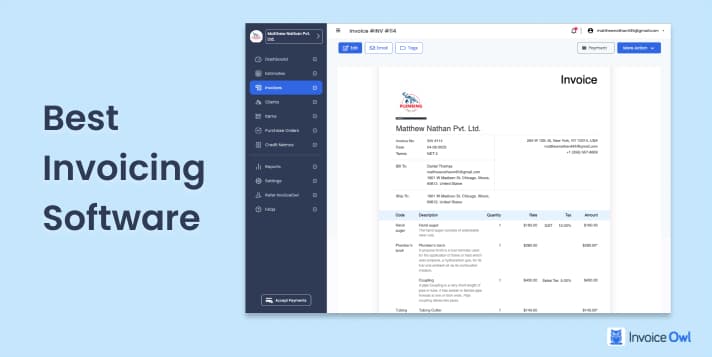
Best Invoicing Software for Small Businesses (2025)
Compare the top invoicing software solutions for small businesses and contractors. Find detailed reviews, pricing, features, and user feedback to choose the right tool for your needs.
Read moreBest Invoicing Software for Small Businesses and Contractors
Pick the best invoicing software for your contracting business by comparing the best 11 invoicing software curated referring the user reviews on various platform.
Read more
15 Best Flooring Estimating Software: Complete Guide
Compare the top 15 flooring estimating software solutions. Detailed reviews, pricing, and features to help contractors make informed decisions.
Read more10 Best Lawn Care Apps for Contractors in 2025
Managing a lawn care business can be overwhelming without the right tools. Here are the best lawn care apps for contractors to effectively run their businesses.
Read moreHow to Price Commercial Lawn Care [Contractors' Guide]
Learn how to price commercial lawn care business by following our comprehensive guide to price the commercial lawn care contract.
Read moreSnow Removal Advertising: Top Ideas Used by Top Contractors
Boost your snow removal business with our proven snow removal advertising ideas used by top contractors. Stand out and attract more clients today.
Read more10 Best Apps for Painting Contractors in 2026
Are you a painting contractor looking to boost productivity? Here are the best apps for painting contractors that can help scale your business to new heights.
Read moreLandscaping Estimate
Explore how InvoiceOwl helps landscaping contractors win jobs, get paid faster and save time with instant estimates and professional invoices on web and mobile.
Read moreBest Invoicing Software for Small Businesses (2025)
Compare the top invoicing software solutions for small businesses and contractors. Find detailed reviews, pricing, features, and user feedback to choose the right tool for your needs.
Read moreBest Invoicing Software for Small Businesses and Contractors
Pick the best invoicing software for your contracting business by comparing the best 11 invoicing software curated referring the user reviews on various platform.
Read more15 Best Flooring Estimating Software: Complete Guide
Compare the top 15 flooring estimating software solutions. Detailed reviews, pricing, and features to help contractors make informed decisions.
Read more10 Best Lawn Care Apps for Contractors in 2025
Managing a lawn care business can be overwhelming without the right tools. Here are the best lawn care apps for contractors to effectively run their businesses.
Read moreHow to Price Commercial Lawn Care [Contractors' Guide]
Learn how to price commercial lawn care business by following our comprehensive guide to price the commercial lawn care contract.
Read moreSnow Removal Advertising: Top Ideas Used by Top Contractors
Boost your snow removal business with our proven snow removal advertising ideas used by top contractors. Stand out and attract more clients today.
Read more10 Best Apps for Painting Contractors in 2026
Are you a painting contractor looking to boost productivity? Here are the best apps for painting contractors that can help scale your business to new heights.
Read moreLandscaping Estimate
Explore how InvoiceOwl helps landscaping contractors win jobs, get paid faster and save time with instant estimates and professional invoices on web and mobile.
Read moreBest Invoicing Software for Small Businesses (2025)
Compare the top invoicing software solutions for small businesses and contractors. Find detailed reviews, pricing, features, and user feedback to choose the right tool for your needs.
Read moreBest Invoicing Software for Small Businesses and Contractors
Pick the best invoicing software for your contracting business by comparing the best 11 invoicing software curated referring the user reviews on various platform.
Read more15 Best Flooring Estimating Software: Complete Guide
Compare the top 15 flooring estimating software solutions. Detailed reviews, pricing, and features to help contractors make informed decisions.
Read more