
Key Takeaways
- 01HVAC technicians install, maintain, and repair heating, ventilation, and air conditioning systems for residential and commercial clients
- 02The median salary for HVAC technicians is $48,630 per year with strong job growth projected at 5% through 2030
- 03Entry-level positions require apprenticeship or training programs, while advanced roles need 5+ years of experience
- 04Key skills include understanding refrigeration cycles, reading wiring diagrams, and strong communication abilities
- 05Certification is required to work with refrigerants, with different types for various pressure levels
Looking for a fulfilling and challenging job in the heating, ventilation, and air conditioning industry? Look nowhere else. You will have the chance to use the latest tools and technology while working as an HVAC technician and helping both households and businesses. As the go-to person on all things relating to HVAC, you will be in charge of installing, maintaining, and repairing HVAC systems.
Given that the tech industry pays the highest for HVAC technicians, with 212,509 HVAC technicians currently employed in the United States, this is a career option that merits consideration.
So, in this blog, let's discuss what work comes under the HVAC technician job description, along with the roles, responsibilities, duties of an HVAC technician and how long to get HVAC certified.
Who is an HVAC Technician?
An HVAC technician is a maintenance specialist who is in charge of maintaining and repairing various commercial and residential HVAC and other air quality systems. Usually, they are in charge of keeping the customers' use of this equipment clean, mended, and maintained.
HVAC technicians search for hazardous components in an HVAC system that can endanger the users' health. They also handle air conditioning systems, warranty maintenance, routine cleaning, adjustments, and repairs.
Many of the HVAC technicians on duty are in charge of rapidly responding to emergency calls and performing routine maintenance to aid in the quick repair of the HVAC system for clients. They are accountable for keeping track of every time they do HVAC maintenance and noting it for the records of their company.
Roles and Responsibilities of an HVAC Technician
The HVAC technician is in charge of maintaining and fixing HVAC systems. They have to travel to the customer's location to locate their HVAC needs and provide them with guidance. An HVAC technician must be familiar with small and large HVAC equipment because most companies serve commercial and residential HVAC clients.
Additionally, the HVAC technician's job description includes being in charge of handling maintenance, warranty work, and urgent repairs from installation until the end of the service life. With the skills and experience gained from work, it helps in becoming an HVAC estimator.
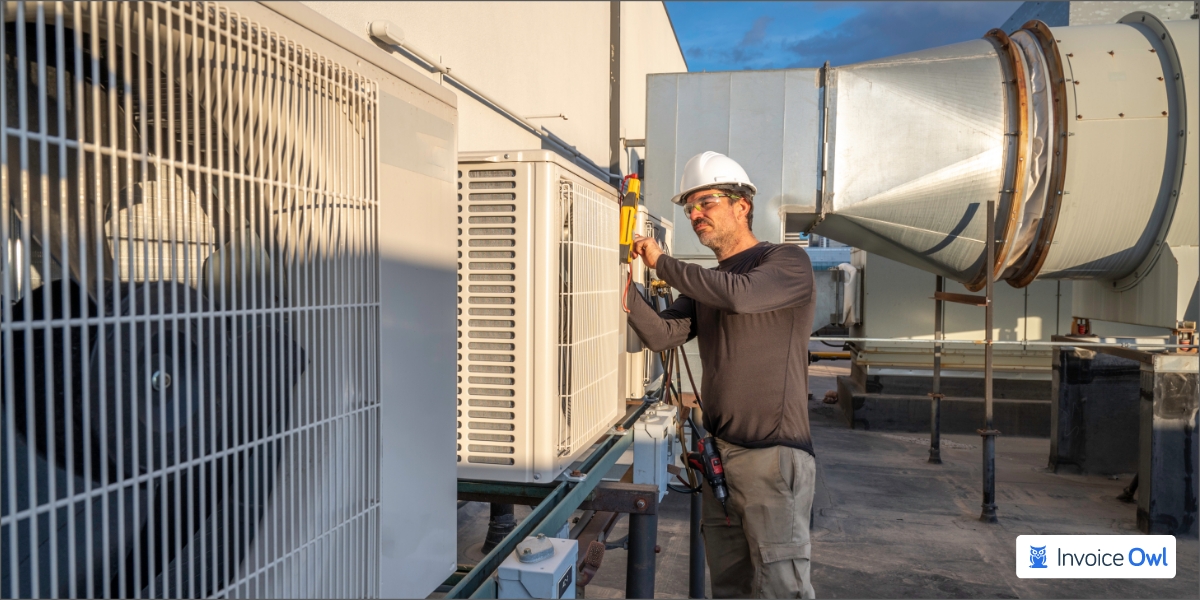
Some of the major HVAC technician responsibilities and duties include:
By eliminating the paperwork involved in the job, like creating estimates & invoices, you can focus more on fulfilling your core roles and responsibilities. Use InvoiceOwl, an estimating & invoicing software that streamlines the process of creating accurate estimates and professional invoices, tracking payments, and generating financial reports all in one place.
Skills and Qualification Requirements to Become an HVAC Technician

Education Requirements
HVAC courses for vocational, apprenticeship, or training. GED, high school diploma, or an appropriate equivalent is required to enter the field.
Licensing and Certifications
A valid license for HVAC technicians and a proper driver's license are essential. Understanding of boiler systems in practice and knowledge of modern refrigeration, heating, and air conditioning principles.
Soft Skills
Outstanding verbal, writing, and interpersonal abilities. Must be dependable and self-driven with the ability to work on holidays, weekends, and after hours with little or no notice.
Physical Requirements
The ability to operate in confined areas and handle physically demanding work is necessary for success in this role.
Knowledge and Abilities of an HVAC Technician
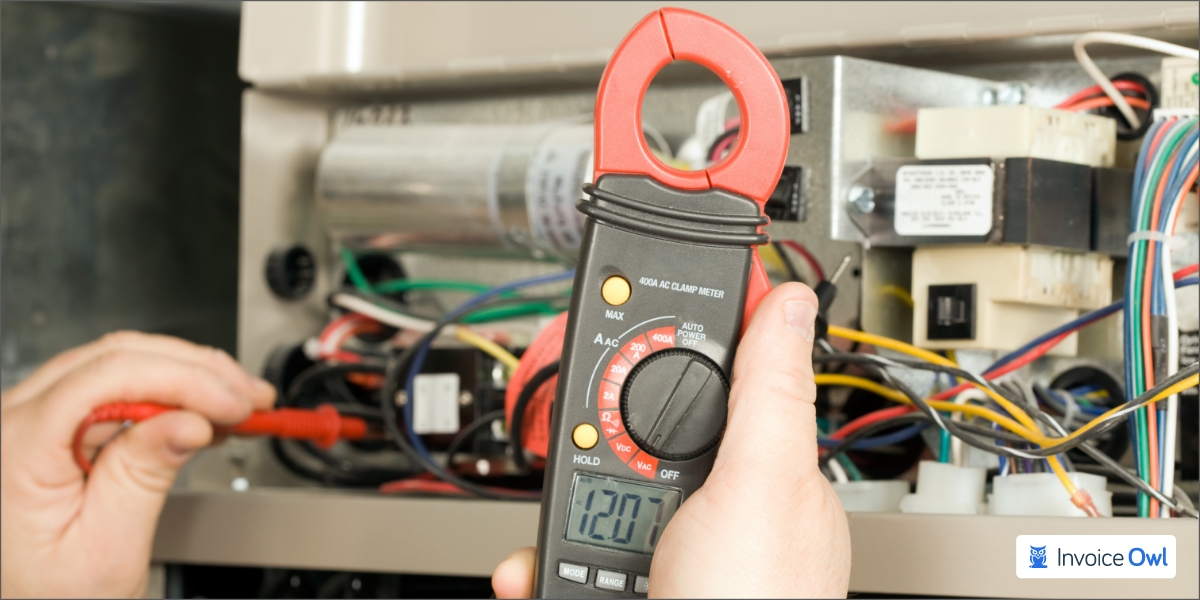
The technical expertise required for the job and the difficulties of detecting and repairing HVAC equipment make HVAC employment demanding. Workers must have strong communication skills to explain what repairs are necessary and which ones are the most important part of their jobs.
A wide range of extremely technical abilities and credentials are also required of HVAC technicians, including:
- Removing outdated HVAC systems to make room for new ones
- Putting in ductwork and pipes throughout houses
- Understanding and reading wiring diagrams
- Understanding the cycles of refrigeration
- Understanding the meaning of different technical data, such as pressure and temperature
Duties of an HVAC Technician
The HVAC technician's duties are varied. Their major duty is either to install new units or to maintain systems, depending on the details of the work. In actuality, the majority of HVAC technicians divide their time sporadically between these two duties.
The following are some typical duties of HVAC technicians:
- Old systems removal
- Putting in new systems
- Carrying out regular maintenance
- Developing young team members
- Interacting with customers and clients
- Purchasing and upkeep of equipment
- Observing local HVAC regulations
Experience Requirements to Get the job as an HVAC Technician
If you're hiring or applying for an entry-level position, the applicant probably requires zero to maybe one or two years of prior work experience. These entry-level employees will require several more years of on-the-job training due to the high level of technicality involved in HVAC maintenance and installation before they can advance to mid- or senior-level roles.
Most applicants will have one or more years of experience, with mid-level and senior-level employees having five years or more. Entry-level employees will naturally have less experience and continue learning through independent study and on-the-job training. To learn the trade, newer employees frequently observe more seasoned technicians.
HVAC Technician Quick Facts and Career Outlook
Median salary (2021)
- $23.38 per hour
- $48,630 per year
Job outlook (2021-30)
5% (as fast as average)
Employment change
20,200
Entry-level qualification requirement
Apprenticeship or training programs (postsecondary non-degree award)
License requirement
States have different licensing regulations, and certification is needed to deal with refrigerants.
(Source: U.S. Bureau of Labour Statistics)
Do you want to become more efficient and competitive in the HVAC industry? With the help of estimating & invoicing software like InvoiceOwl, you can simply produce precise estimates, keep track of expenses, and produce professional invoices. You will be more productive, get more work done, and provide better customer service as a result. So, stop letting paperwork hold you back!
Streamline Your HVAC Business Operations
Focus on your core HVAC work while InvoiceOwl handles your estimates, invoices, and payment tracking. Join thousands of HVAC technicians who trust InvoiceOwl.
Start Your FREE TrialFrequently Asked Questions
Installing and repairing various air quality systems and checking heating and cooling systems are some of the responsibilities of an HVAC technician. They identify equipment maintenance issues and carry out warranty services rapidly if particular components, like furnaces or water heaters, need emergency repairs.
An HVAC technician is responsible for setting up, maintaining, and fixing machinery like furnaces that need regular attention. Additionally, they identify issues with system integrity so that they may be swiftly repaired in the event of an emergency.
While many HVAC technicians work alone on service visits, they are still required to report to a supervisor to ensure all calls are finished on time. You must also know the HVAC hourly rate of an HVAC contractor before hiring him.
A skilled HVAC technician is much more than a qualified professional with hands-on expertise. To consistently deliver high-quality service that satisfies the customer, they must also have a friendly disposition and great communication skills.
Perform clever mechanical maintenance work on district heating, ventilation, air conditioning, refrigeration systems, and related buildings and equipment. You'll also keep your equipment in good working order by giving it routine maintenance.
From 6 months to a year is required for certificate programs. Two years are needed for an associate's degree. Three to five years are the typical duration of an apprenticeship. There is always more to learn. There are more work options open to you as you learn more. Additionally, everything you learn will assist you in achieving your ultimate goal of starting your own HVAC business as you decided in your HVAC business modal.
You might need to pass a state licensure test in the state where you intend to work. You can take examinations to get certified in particular skill areas if you have expertise in HVAC installation or maintenance. You must successfully complete an exam to achieve certification in this field if you wish to work with refrigerants. The U.S. Environmental Protection Agency has recognized three different forms of refrigeration certification: Type I certification for small refrigeration appliance installation and maintenance, Type II certification for high-pressure refrigerant treatment, and Type III certification for working with low-pressure refrigerants.
Conclusion
The installation, maintenance, and repair of heating, ventilation, and air conditioning systems fall within the purview of an HVAC technician. They are essential in ensuring that buildings are comfy and pleasant for residents. The position necessitates a blend of technical expertise, physical fortitude, and problem-solving skills.
If you want to develop the skills and experience required for a job as an HVAC technician, you should think about finishing an apprenticeship or vocational training program. The career outlook for HVAC technicians is promising because of the rising demand for environmentally friendly and energy-efficient HVAC systems.
Related Resources
Hourly Rate For HVAC Contractor In Detail
Unsure how to charge hourly rates for your services? Read on to know the rates offered by HVAC professionals to their clients. Moreover, learn why most of the contractors ask for hourly rates following the completion of repair works.
Read more
Maximize Your Margins With Profitability Tips for Appliance Repair Businesses
Discover strategies to increase profitability in your appliance repair business and boost your margins with essential tips for success.
Read more
Essential Appliance Repair Tools: Look What You Need to Get the Job Done
Get the latest and most essential appliance repair tools and equipment for technicians in 2026. Find everything you need to get the job done right.
Read more
Best Appliance Repair Apps
Do you want to make your appliance repair more productive? Here are the best appliance repair apps that help technicians work smarter and more efficiently.
Read more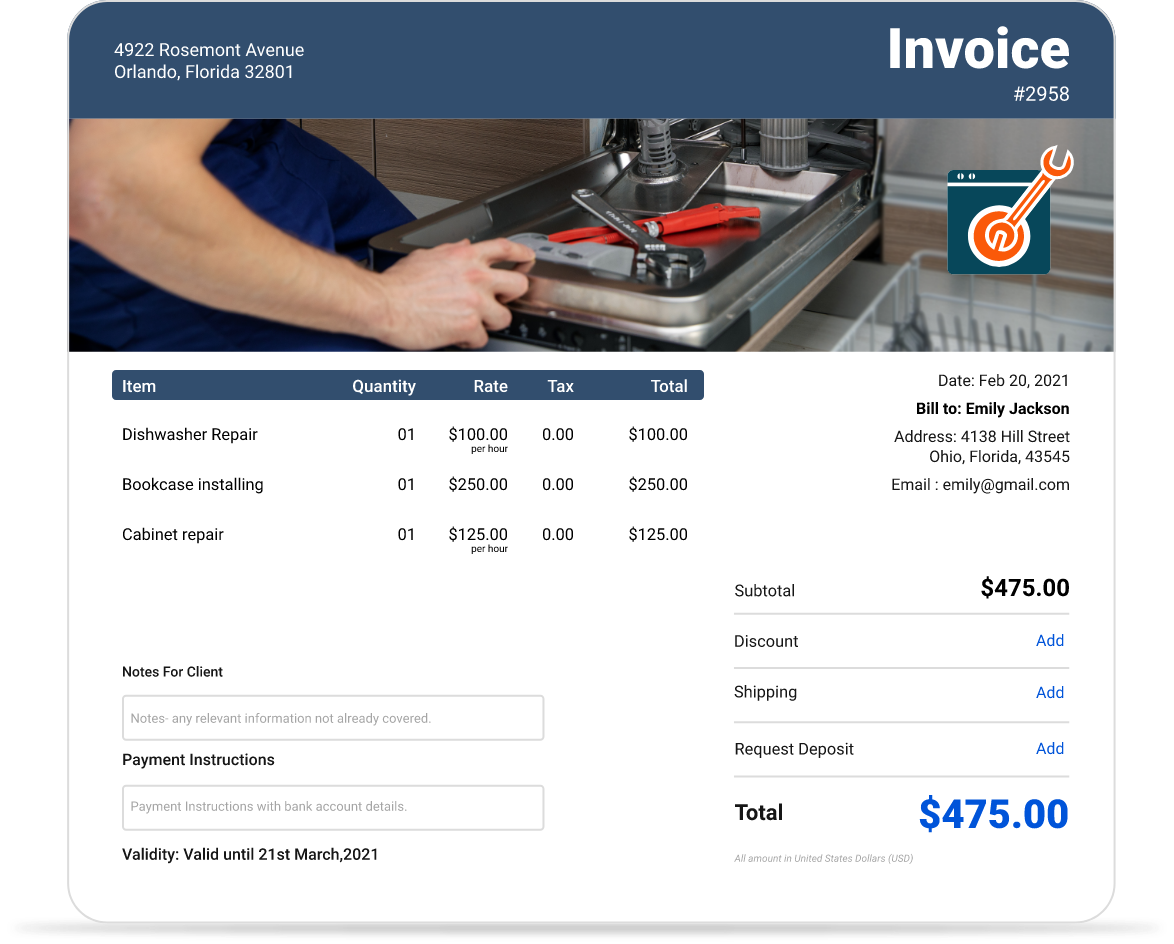
Appliance Repair Invoice Template
Appliance Repair Invoice Template
Read more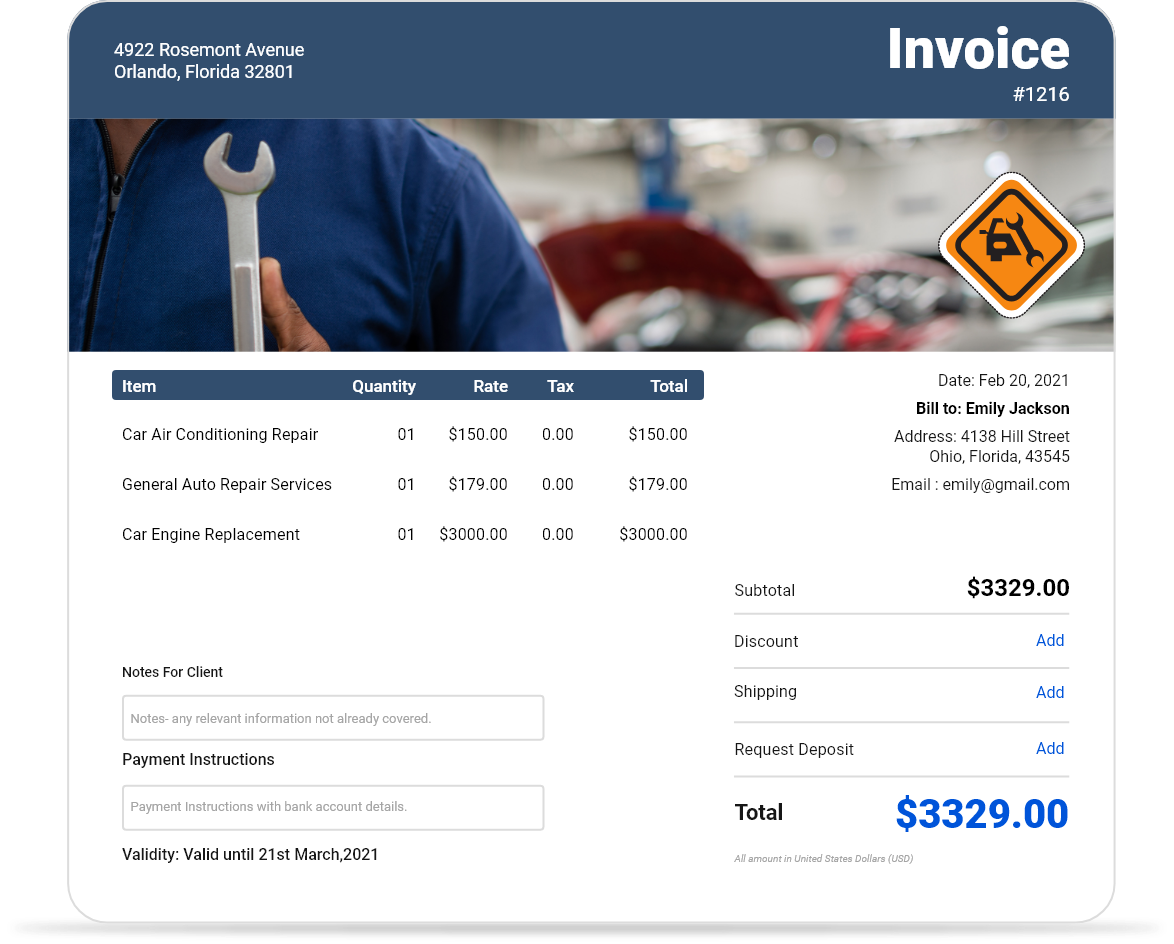
Auto Repair Invoice Template
Auto Repair Invoice Template
Read more
Handyman Invoice Template
Handyman Invoice Template
Read more
HVAC Invoice Template
HVAC Invoice Template
Read moreHourly Rate For HVAC Contractor In Detail
Unsure how to charge hourly rates for your services? Read on to know the rates offered by HVAC professionals to their clients. Moreover, learn why most of the contractors ask for hourly rates following the completion of repair works.
Read moreMaximize Your Margins With Profitability Tips for Appliance Repair Businesses
Discover strategies to increase profitability in your appliance repair business and boost your margins with essential tips for success.
Read moreEssential Appliance Repair Tools: Look What You Need to Get the Job Done
Get the latest and most essential appliance repair tools and equipment for technicians in 2026. Find everything you need to get the job done right.
Read moreBest Appliance Repair Apps
Do you want to make your appliance repair more productive? Here are the best appliance repair apps that help technicians work smarter and more efficiently.
Read moreAppliance Repair Invoice Template
Appliance Repair Invoice Template
Read moreAuto Repair Invoice Template
Auto Repair Invoice Template
Read moreHandyman Invoice Template
Handyman Invoice Template
Read moreHVAC Invoice Template
HVAC Invoice Template
Read moreHourly Rate For HVAC Contractor In Detail
Unsure how to charge hourly rates for your services? Read on to know the rates offered by HVAC professionals to their clients. Moreover, learn why most of the contractors ask for hourly rates following the completion of repair works.
Read moreMaximize Your Margins With Profitability Tips for Appliance Repair Businesses
Discover strategies to increase profitability in your appliance repair business and boost your margins with essential tips for success.
Read moreEssential Appliance Repair Tools: Look What You Need to Get the Job Done
Get the latest and most essential appliance repair tools and equipment for technicians in 2026. Find everything you need to get the job done right.
Read moreBest Appliance Repair Apps
Do you want to make your appliance repair more productive? Here are the best appliance repair apps that help technicians work smarter and more efficiently.
Read moreAppliance Repair Invoice Template
Appliance Repair Invoice Template
Read moreAuto Repair Invoice Template
Auto Repair Invoice Template
Read moreHandyman Invoice Template
Handyman Invoice Template
Read moreHVAC Invoice Template
HVAC Invoice Template
Read more