
![How to Start a Pest Control Business [Complete Guide]](/images/2022/08/How-to-Start-a-Pest-Control-Business.jpg)
Key Takeaways
- 01The pest control industry is growing at 5.1% CAGR and expected to reach $28 million by 2026
- 02You'll need federal and state licenses to legally operate and use pesticides (RUPS)
- 03Essential requirements include proper insurance, transportation, and relationships with suppliers
- 04Choose between residential, commercial, or combined services based on local demand
- 05A solid business structure (LLC or S-corp) protects you from personal liability
Discover how to launch a pest control business easily and ensure you can earn great profit over the long term. What would motivate you to invest in pest control businesses? The goal is to earn profit and establish your company as a reputable pest control company. The universal answer is due to its growing demand for pest control. By becoming the number pest control specialist in your community, you can run a profitable business for a long time.
According to the reports, the pest control industry is rapidly growing at a CAGR of 5.1%. It is even expected to cross $28 million in revenue by 2026.
Starting a pest control company might seem overwhelming, but the process can be simplified with the proper steps. This article shows you how to start a pest control business that will thrive for years. Let's start with a step-by-step guide to start and provide pest control services.
Things You Need to Start a Pest Control Business
Undoubtedly, the costs of setting up pest control companies play a significant role. As well as that, you will also need a truck or van that is equipped with pest control equipment so that you can perform the work at the customer's house. To start a pest control business, you will need these things:
How to Start a Pest Control Business in Quick Steps
Define Your Services
Before starting a pest control company, you should choose which pest control services would be the most profitable for you. Research the common pest control problems in the area where you will offer your services. Common categories include:
- Occasional pests - carpenter ants, wasps, beetles, shrewbugs, centipedes, and silverfish all year round
- Seasonal pests - ladybugs, boxelder beetles, and spiders
- Invasive pests - cockroaches, bed bugs, and carpenter/invasive ants
- Wildlife - pigeons, skunks, sparrows, and groundhogs
Decide on the niche you are best suited to serve or the one that is most in demand. You also need to decide whether to go after residential, commercial, or a combination of both. Consider contracts, one-time services, recurring services, or package deals.
Choose a Business Name and Logo
Your business name makes the first impression on your customers, and you must ensure it represents your service offering to stand out from the competition. When brainstorming names, think about what makes your business unique:
- What is your unique selling proposition?
- How do you plan on attracting clients?
- When they hire you, how would you like them to feel?
Check to ensure that the domain name you want to use is not already taken. You can use pest control software to assist you in designing a unique logo that will look great on pest control sites, social media, business cards, and your truck.
Choose Your Business Structure
A legal structure for your pest control business is crucial. You can operate as several types of corporations, including Limited Liability Companies (LLCs), S corporations, and C corporations. Depending on your legal structure, you will have different taxes, liabilities, and paperwork requirements.
Set Up a Business Checking Account
Open a business bank account for your business before you purchase equipment or begin collecting money. Keep track of your business expenses and profit margins on a business account. Mixing these funds may also lead to tax issues in the future.
Invest in Pest Control Insurance
Insurance is essential to protect you from financial hardships. You might accidentally damage a client's property, stain an area with chemicals, or miss something entirely. You'll most likely hire pest control employees along the way, so worker's compensation policy is essential. Consider auto insurance and worker's compensation coverage.
Create a Business Plan
A business plan is a written document that provides an overview of your new pest control business direction. Include information such as:
- Your company's legal structure (partnership, LLC, or sole proprietorship)
- How your business will generate revenue
- Overview of assets and debts
- Official hiring and benefit plan
- Goals and projections for long-term revenue growth
A straightforward plan helps you identify your most important goals, challenges, and strengths, especially if you're seeking a small business loan or financing.
Establish a Pricing Structure
The price you charge for your pest control services is one of the most important considerations. Identify comparable prices in your area by conducting market research. It is common for pest control businesses to operate on a subscription model, which allows users to benefit from services in exchange for a monthly or quarterly fee.
Purchase Materials and Equipment
You will need materials, equipment, supplies, and major purchases to set up a pest control company. Investing can be funded with personal assets or by taking out a small business loan.
Essential PPE:
- Long pants and long shirts
- Chemical-resistant gloves and footwear
- Ventilators, shields, and aprons
Chemicals and Tools:
- Pest control chemicals, pesticides, and ultrasonic repellents
- Various chemical sprayers (backpack, green, and pool sprayers)
- Baits, repellants, rodent traps, and cages
- Sealers to seal holes left behind by pests
Additional Equipment:
- Stabilized ladders
- Endoscopes to see into hard-to-reach nest areas
- Headlamps, screwdrivers, drills, saws, and pliers
- Truck or van for pest control equipment
Hire Employees
When starting with a small pest business, hire a few pest control workers to help you. You will reach more potential clients as you serve more customers and complete more treatments throughout the day. Consider your employment application process, hiring requirements, and payroll questions before hiring.
Develop a Marketing Strategy
Consider the following marketing strategies to reach more local customers:
- Local print advertising
- Digital media
- Local and organic search engine optimization (SEO)
- Word-of-mouth referrals
Building a strong online presence and reputation will help you attract and retain customers in your service area.
Operating as a sole proprietorship or partnership is not recommended for pest control businesses. A business structure like this would expose you to personal liability for claims against your company, putting your assets at risk, as pest control requires using toxic chemicals, entering clients' homes, and repairing existing property damage.
When choosing a vehicle for your pest control business, consider that it's easier to declare a used or leased vehicle than a new one, and they are the most affordable options for getting started.
Start Managing Your Pest Control Business Like a Pro
InvoiceOwl helps you create professional estimates, invoices, and manage your finances in one place. Showcase your professionalism and delight your customers with quality pest control templates.
Start Your FREE TrialFrequently Asked Questions
Within two to three years of operation, a control business can earn $50,000 to $75,000 in annual profit. A company's profitability depends on its market, operating costs, and the number of clients it has. If the business expands across the region, the profitability is likely to increase. It can even reach six-figure levels if the venture expands throughout the region. Having a nationwide pest control company can generate millions of dollars in profits each year.
Among the estimated costs for a one-time pest control service, HomeAdvisor states that the average price of the service is between $300 and $550. The cost of this pest control service will be higher than regular visits since a technician will have to investigate the problem, diagnose it, and treat it all simultaneously.
To legally operate the pest control companies and use pesticides, you will require federal and state licenses (preferably known as Restricted Use Pesticides or RUPS). To stay current on the latest practices, structural pest control operators must also take regular continuing education courses every five years.
It usually takes three months for a candidate to complete a pest control training course. The training covers all aspects of pest control including rodent control, insect control, weed control, termite control, how to use pesticides, pesticide safety, and basic fumigation.
Related Resources

Examples of Pest Control Ads for Attracting Customers
Improving your marketing strategy can grow your pest control business. Learn how to create effective pest control ads and gain more business opportunities.
Read more
Pest Control Contract: The Complete Guide
Learn more details about what a pest control contract is, how a pest control service agreement differs from a contract and its benefits.
Read more
Pest Control Marketing Tips & Tricks
People are probably searching online for your pest control services right now. Get qualified leads for your business with these pro marketing tips & tricks.
Read more
5 Best Pest Control Software for 2026
Grow Your pest control business with pest control software that makes it easy to manage the estimating, invoicing, & payment process you need for your clients.
Read more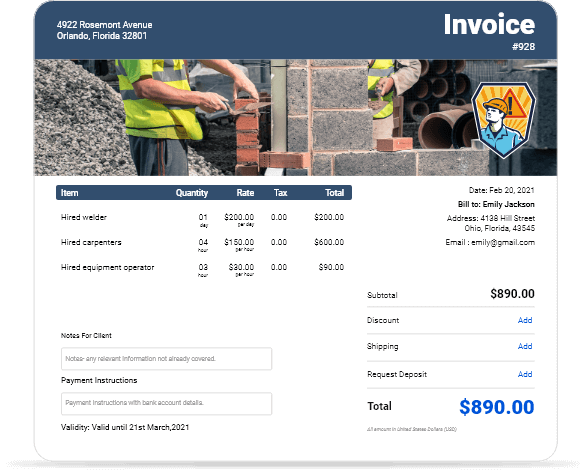
Contract Labor Invoice Template
Contract Labor Invoice Template
Read more
Moving Company Invoice Template
Moving Company Invoice Template
Read more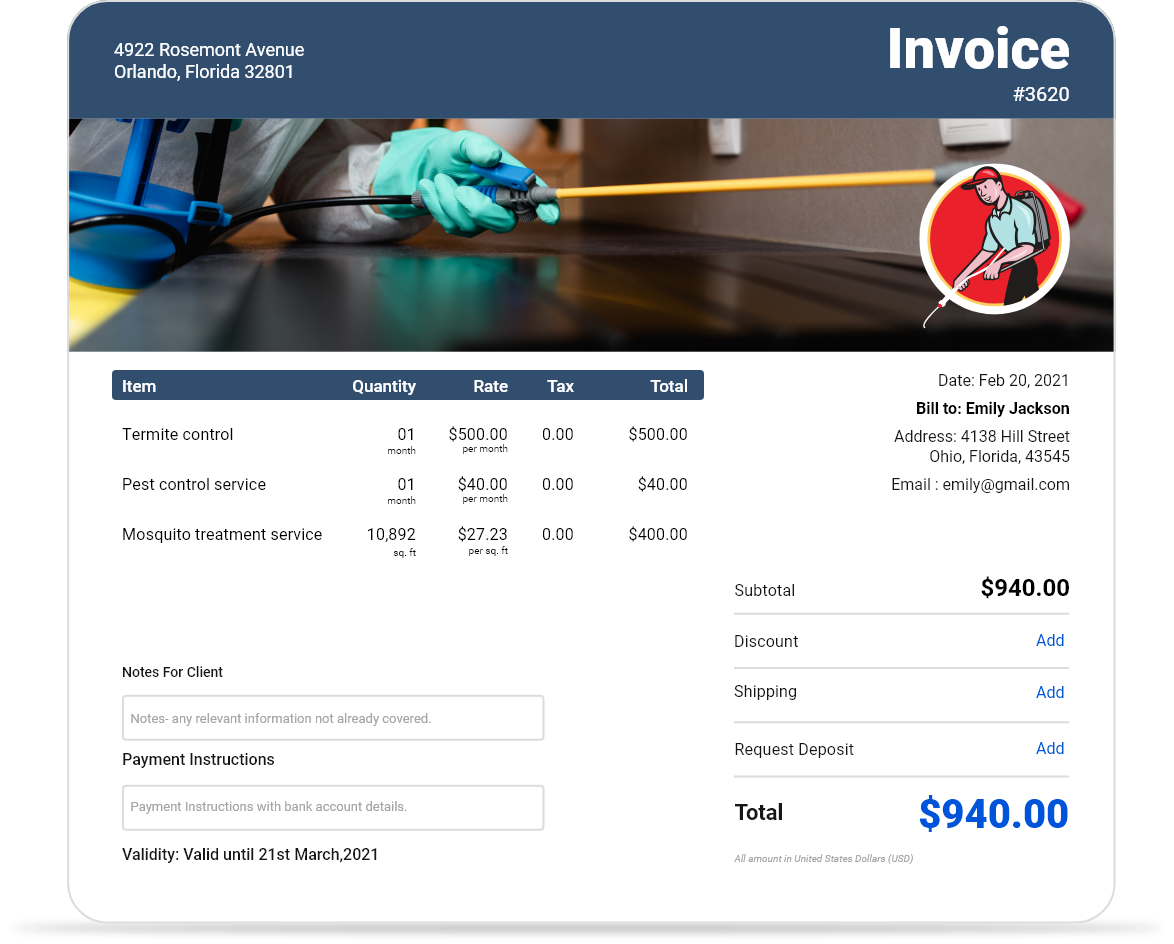
Pest Control Invoice Template
Pest Control Invoice Template
Read more
Small Business Invoice Template
Small Business Invoice Template
Read moreExamples of Pest Control Ads for Attracting Customers
Improving your marketing strategy can grow your pest control business. Learn how to create effective pest control ads and gain more business opportunities.
Read morePest Control Contract: The Complete Guide
Learn more details about what a pest control contract is, how a pest control service agreement differs from a contract and its benefits.
Read morePest Control Marketing Tips & Tricks
People are probably searching online for your pest control services right now. Get qualified leads for your business with these pro marketing tips & tricks.
Read more5 Best Pest Control Software for 2026
Grow Your pest control business with pest control software that makes it easy to manage the estimating, invoicing, & payment process you need for your clients.
Read moreContract Labor Invoice Template
Contract Labor Invoice Template
Read moreMoving Company Invoice Template
Moving Company Invoice Template
Read morePest Control Invoice Template
Pest Control Invoice Template
Read moreSmall Business Invoice Template
Small Business Invoice Template
Read moreExamples of Pest Control Ads for Attracting Customers
Improving your marketing strategy can grow your pest control business. Learn how to create effective pest control ads and gain more business opportunities.
Read morePest Control Contract: The Complete Guide
Learn more details about what a pest control contract is, how a pest control service agreement differs from a contract and its benefits.
Read morePest Control Marketing Tips & Tricks
People are probably searching online for your pest control services right now. Get qualified leads for your business with these pro marketing tips & tricks.
Read more5 Best Pest Control Software for 2026
Grow Your pest control business with pest control software that makes it easy to manage the estimating, invoicing, & payment process you need for your clients.
Read moreContract Labor Invoice Template
Contract Labor Invoice Template
Read moreMoving Company Invoice Template
Moving Company Invoice Template
Read morePest Control Invoice Template
Pest Control Invoice Template
Read moreSmall Business Invoice Template
Small Business Invoice Template
Read more