
![How to Handle Incorrect Payment From a Client [Sample Email Templates]](/images/2023/02/how-to-handle-incorrect-payment-from-a-client.jpg)
Key Takeaways
- 01Incorrect payments occur when clients pay an amount different from the invoiced total, either less or more than expected
- 02Always verify and confirm the discrepancy before contacting the client to avoid damaging the relationship
- 03Use professional email templates to communicate payment issues clearly and maintain positive client relationships
- 04Update your records immediately after resolving payment issues to prevent sending redundant reminders
- 05Prevent future incorrect payments by using invoicing software, defining clear payment terms, and systemizing your payment process
As a business owner, receiving incorrect payments from clients can be frustrating and time-consuming for you as it can:
- Lead to cash flow problems
- Disrupt your billing process
- Damage your relationship with clients
Thus, it's essential to handle them in a timely and professional manner to minimize their impact on your business.
So, in this blog post, you will get to learn how to handle incorrect payment from client such that it doesn't burn your bridges. And to make it easier for you, we will provide you with sample email templates so you can get an idea or steal it outright.
Apart from that, you will also know how you can prevent yourself from getting into this uncomfortable situation again. Let's start with that:
What are Incorrect Payments and Their Causes?
An incorrect payment means that you didn't get the exact amount from a client for which you have sent an invoice.
Billing Martin for $1000 for a plumbing service and him paying $800 by the end of the due date is a case of incorrect payment. And by the way, if he mistakenly pays you over the billing amount, let's say $1100, then this also is an incorrect payment.
Now, for the sake of clarity, understand the difference between non-payment and incorrect payment:
Non-Payment vs Incorrect Payment
| Aspect | Non-Payment | Incorrect Payment |
|---|---|---|
| Definition | The client fails to provide you with any payment by the end of the due date. | The client pays you something but not the exact amount in the invoice (usually lesser). You can also call it a partial payment. |
| Difficulty | Usually takes more time and effort to resolve. | Comparatively, lesser of a hassle to deal with. |
| Impact | It can strongly affect the business's cash flow and the client relationship. | It may meekly affect the cash flow and client relationship. |
| Common Causes | This can happen due to disputes, malicious intent, financial difficulties, or simply forgetting. | This can happen due to unclear payment terms, mistakenly entering the wrong amount or financial difficulties. |
Causes of incorrect payments
Data Entry Errors
Many a time, this is just an honest mistake from your client's side. So it may happen that a client may have entered the wrong amount while making your payment.
Incorrect Invoice
The surprise of the wrong payment amount received can also be due to you being the culprit of making a calculation mistake.
Currency Conversion Errors
If you are dealing with an international client, it may send your payment in a different currency than the one specified by you, leading to an incorrect conversion.
Payment Disputes
Sometimes, the client may feel that you have billed them outrageously or added some "hidden" charges to the invoice. This can result in a dispute and the client paying you incorrectly.
Multiple Payments
The occurrence of multiple payments is common these days, which can happen due to human or technical error.
Financial Difficulties
What if the client is unable to pay you the total amount of your invoice currently? So instead of making a late payment, it resorts to making a partial payment.
Whatever may be the cause, you need to handle this issue (... graciously). This brings us to the crux of this blog.
Step-by-Step Process to Handle Incorrect Payment From a Client
Handling this issue need not be as uncomfortable as it looks. Thus, follow along to get the correct payment:
Step 1: Acknowledge and confirm
Have you found any probable case of incorrect payment from a client for your business? Then don't just rush to blurt out to your client and demand it to pay you fully instantly.
Sometimes it may happen that you have been mistaken about a wrong payment. And quickly reaching out to your client without confirming it can turn a relationship sour.
So, first of all, make sure that an incorrect payment has happened. How?
Have you found any discrepancy in the invoice payment made to you? If yes, then move on to the next step.
Step 2: Find the root cause of incorrect payment
This step is important to resolve this issue smoothly. So find whose mistake it is actually - yours or your client's.
In both of these cases, it is you who needs to maintain your calm because unnecessary anger will only delay your payment further, having you to make more effort for it.
Upon finding the culprit, you also need to find the root cause that has led to this situation. This will help you clarify it to your client.
So what's the cause of this incorrect payment? Is it anything from the list we have mentioned above?
Anyways, found it? This takes us to the 3rd step.
Step 3: Contact your client to solve the issue
Here comes the tricky part - making the client aware of the situation and convincing it to make the additional payment. But don't worry, here is an email template that you can send:
Incorrect Payment Invoice Template
Subject: Request for Correct Payment
Dear ,
I hope this email finds you well. I am reaching out to you in regards to Invoice , for which we recently received payment of .
Upon further review, we noticed that the payment received was incorrect and did not match the total amount due on the invoice, which was .
I kindly request that you make the due payment of as soon as possible for Invoice .
The reason for this, as I found out, is . And we are working on minimizing such causes to avoid any inconvenience in the future. Please let me know if there is any confusion or information that I can provide to assist you in this matter.
Thank you for your prompt attention to this matter. I look forward to your response and the due payment.
Best regards,
You can even add an attachment of the updated invoice mentioning the amount paid and the amount due.
Recommended: Get more payment-related email templates.
So are we done with this process? Not quite yet. Not until you receive your payment and have worked to mitigate the root cause.
Often, getting your due payment is a matter of sending just one email. But sometimes, you will need to nudge your client a bit more with regular reminders. Here is a reminder email template to give you an idea:
Reminder Email Template
Subject: Reminder # for Correct Payment
Dear ,
This is a reminder to make the due payment of as mentioned in our previous email.
I understand that life can get busy sometimes. But please look into it and do the needful as soon as possible.
If you need assistance or have questions, please do not hesitate to reach out. I look forward to your response and the corrected payment.
Best regards,
If the client fails to respond or pay, it's best to cut off your services to it until the issue is resolved (and inform the client about it).
Step 4: Update your data
Got your money? Now it's time to update your records to make it clear to all that the issue is resolved. Why?
Because it is very frustrating for the client to receive constant reminders for which it has already cooperated. This shows your carelessness for your client's precious time.
Step 5: Appreciate the client's cooperation
A little appreciation can go a long way in your client's heart and cool off the little heat produced in this situation. Here is a small email template that you can use:
Appreciation Email Template
Subject: Your Due Payment is Received
Dear ,
We have received your payment. I highly appreciate that you looked into this matter to quickly resolve it. I assure you that our team is working to minimize such inconveniences for you.
Looking forward to having a prolonged business relationship with you.
Best regards,
Now, let's take the final step.
Step 6: Prevent the cause from happening again
It isn't enough to say that you are working to prevent such situations in the email. You need to actually do it because nobody likes suffering from repeated mistakes.
Here the cause that you identified in step 2 will help you to prevent it from ever popping again.
And since we are talking about prevention, let's dig deeper into it.
How to Prevent Incorrect Payments From Happening in the Future?
Why just tackle one root cause at a time as it happens? Instead, it is much more rewarding to go the extra mile and remove all the probable causes due to which it can happen. Here is how:
Clearly define payment terms in writing
Be transparent about your terms and expectations. This includes:
- Payment amounts
- Due dates
- Any penalties for late payments
- Currency accepted
- Payment methods - Cash, credit/debit card, check, etc.
Systemize your payment system
If you have a clear step-by-step system for your team to follow, it will make sure that everything is double-checked. A little tip for you is that you require your team for your approval on an invoice before sending it to your client.
Use an invoicing software to reduce human errors
Invoicing software such as InvoiceOwl greatly reduces the human intervention needed to create invoices. This resulted in more accuracy and saved time.
Reduce Invoice Errors With InvoiceOwl
Try our reliable invoicing software for free, which digitizes your invoicing process and reduces human errors. Create, send, and manage invoices with less effort and more accuracy.
Start Your FREE TrialFrequently Asked Questions
In case of overpayment from your client, don't automatically consider it as a tip for your service and move on. Bring it to his attention and repay the excess amount you received. Such honesty towards your client can ensure that you aren't just for money but to provide value. And that makes a huge difference.
It is advisable to keep yourself away from just firing reminder emails like a machine gun. Instead, go for the shotgun approach. That means giving the appropriate gap of at least a few days between each email you send for the same issue.
Here are a few things that you can do in this case:
- Stop providing any further services to the client
- Have your attorney send an email on the issue
- Hire a collection agency
- Approach the small claims court
Related Resources
8 Most Effective Email Templates for Chasing Payment
Want to send payment reminders? Then, take a closer look at these 8 email templates that will help clear due payments. Plus, find useful tips to remember at the time of requesting payment.
Read more
Credit Memos Journal Entries Explained with Examples & Templates
Know why recording a credit memo journal entry is important. Plus, get the template of all the entries depending on different situations. And, get your questions or queries answered.
Read more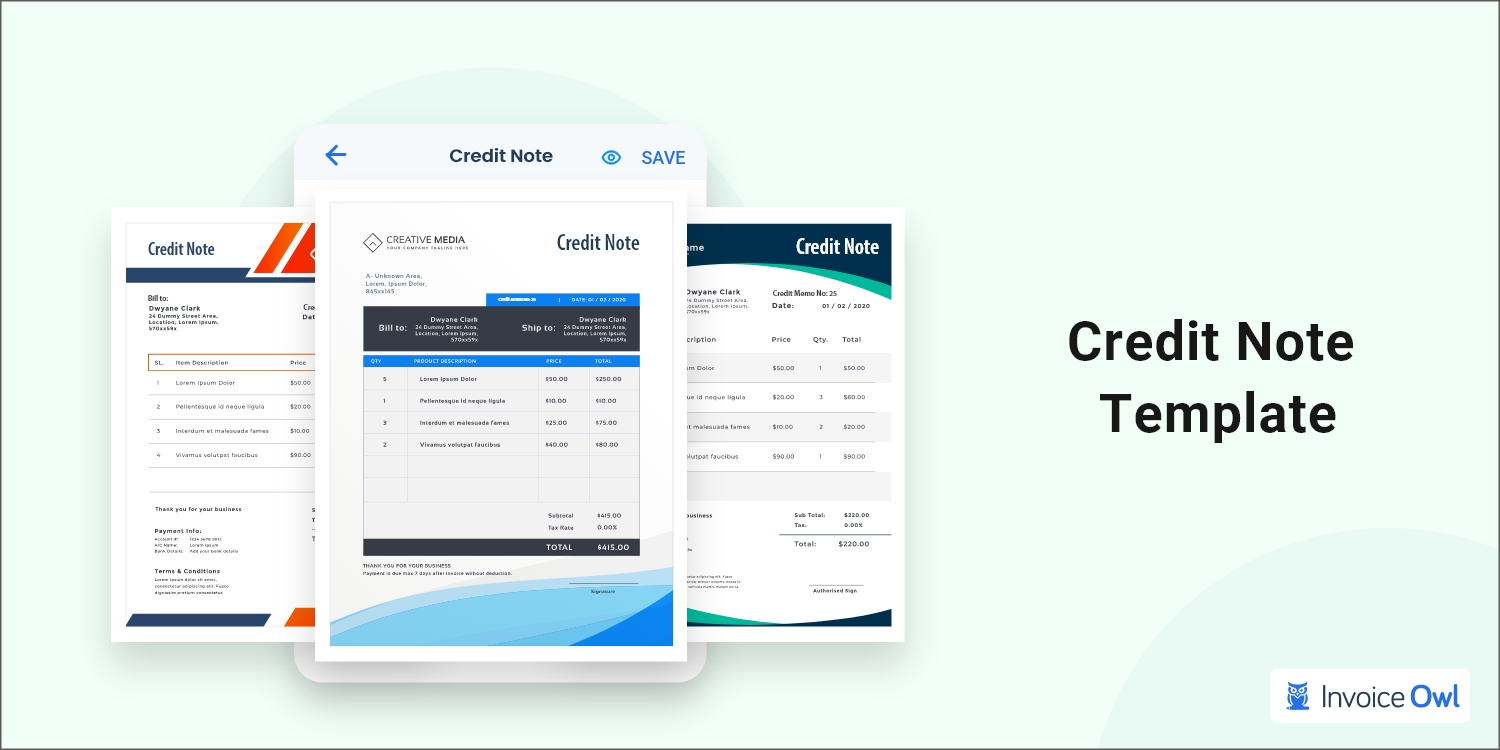
Credit Note Template: What + When + How
Learn what is a credit note template and what are the ways to create an effective credit note, different uses. Continue reading to know better.
Read more
How to Politely Ask Clients For an Upfront Deposit (Free Samples Included)
Learn how to ask for a deposit politely with sample payment request templates. Get tips on requesting upfront payments from clients to secure your projects.
Read more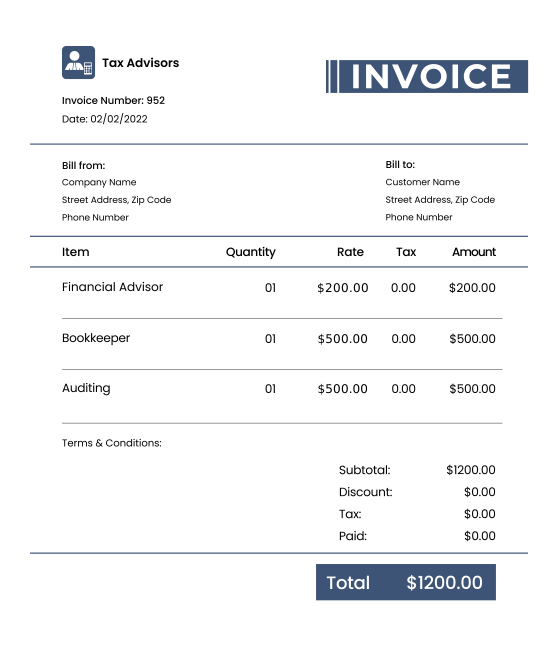
Accounting Invoice Template
Accounting Invoice Template
Read more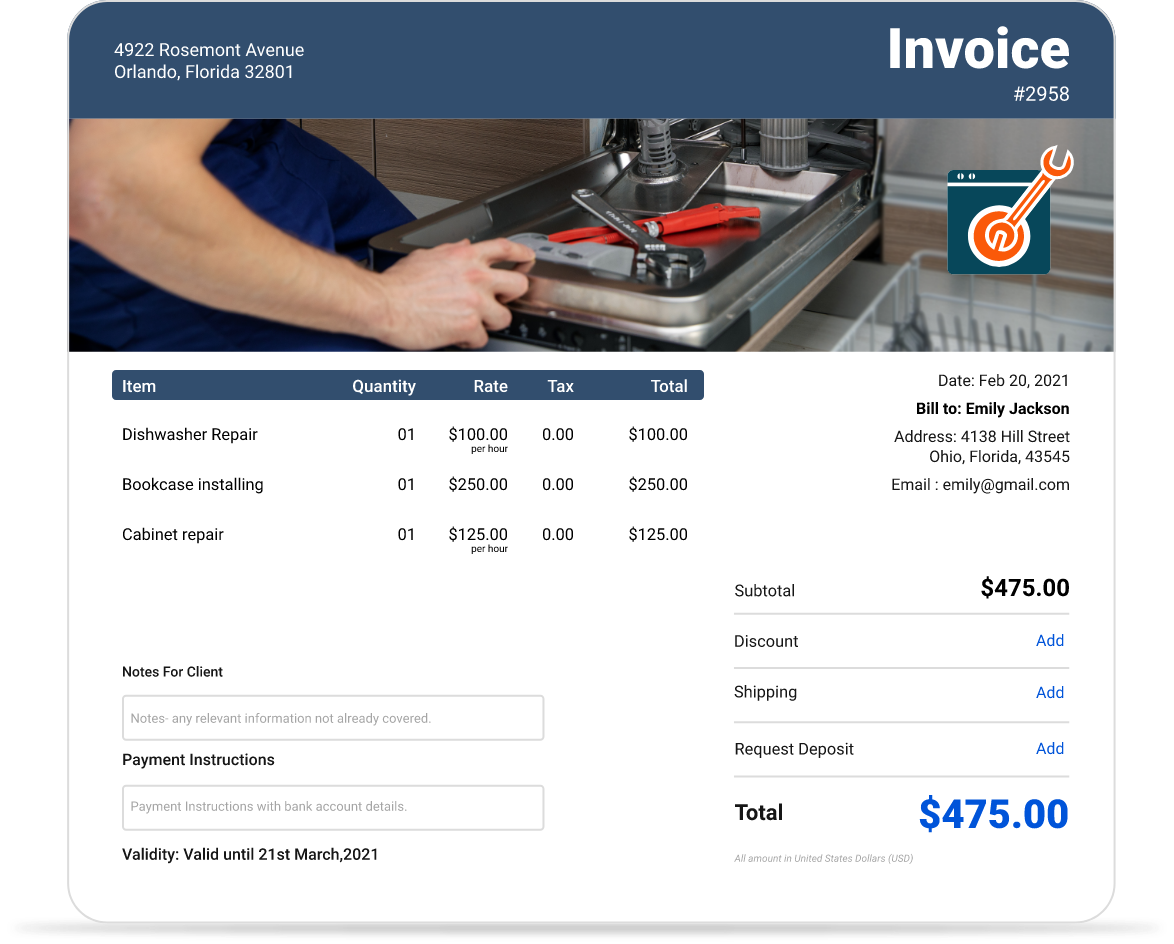
Appliance Repair Invoice Template
Appliance Repair Invoice Template
Read more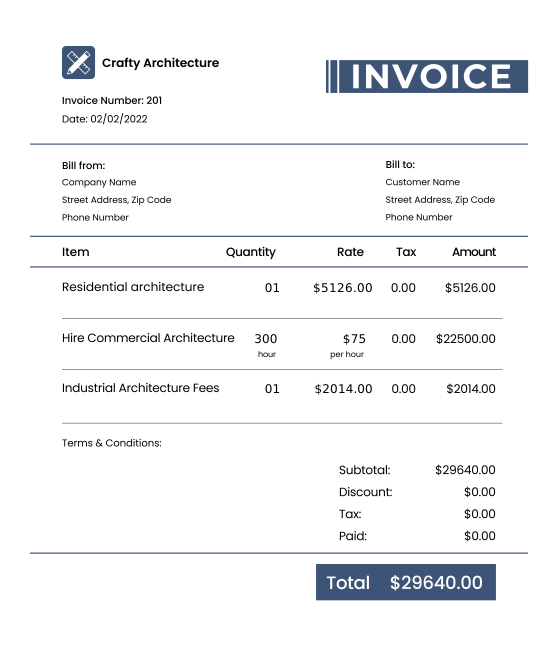
Architecture Invoice Template
Architecture Invoice Template
Read more
Attorney Invoice Template FREE Download (Word, Excel, PDF, Google Docs)
Attorney Invoice Template FREE Download (Word, Excel, PDF, Google Docs)
Read more8 Most Effective Email Templates for Chasing Payment
Want to send payment reminders? Then, take a closer look at these 8 email templates that will help clear due payments. Plus, find useful tips to remember at the time of requesting payment.
Read moreCredit Memos Journal Entries Explained with Examples & Templates
Know why recording a credit memo journal entry is important. Plus, get the template of all the entries depending on different situations. And, get your questions or queries answered.
Read moreCredit Note Template: What + When + How
Learn what is a credit note template and what are the ways to create an effective credit note, different uses. Continue reading to know better.
Read moreHow to Politely Ask Clients For an Upfront Deposit (Free Samples Included)
Learn how to ask for a deposit politely with sample payment request templates. Get tips on requesting upfront payments from clients to secure your projects.
Read moreAccounting Invoice Template
Accounting Invoice Template
Read moreAppliance Repair Invoice Template
Appliance Repair Invoice Template
Read moreArchitecture Invoice Template
Architecture Invoice Template
Read moreAttorney Invoice Template FREE Download (Word, Excel, PDF, Google Docs)
Attorney Invoice Template FREE Download (Word, Excel, PDF, Google Docs)
Read more8 Most Effective Email Templates for Chasing Payment
Want to send payment reminders? Then, take a closer look at these 8 email templates that will help clear due payments. Plus, find useful tips to remember at the time of requesting payment.
Read moreCredit Memos Journal Entries Explained with Examples & Templates
Know why recording a credit memo journal entry is important. Plus, get the template of all the entries depending on different situations. And, get your questions or queries answered.
Read moreCredit Note Template: What + When + How
Learn what is a credit note template and what are the ways to create an effective credit note, different uses. Continue reading to know better.
Read moreHow to Politely Ask Clients For an Upfront Deposit (Free Samples Included)
Learn how to ask for a deposit politely with sample payment request templates. Get tips on requesting upfront payments from clients to secure your projects.
Read moreAccounting Invoice Template
Accounting Invoice Template
Read moreAppliance Repair Invoice Template
Appliance Repair Invoice Template
Read moreArchitecture Invoice Template
Architecture Invoice Template
Read moreAttorney Invoice Template FREE Download (Word, Excel, PDF, Google Docs)
Attorney Invoice Template FREE Download (Word, Excel, PDF, Google Docs)
Read more