
Key Takeaways
- 01The cleaning sector is projected to reach $46 billion by 2026 with 10% growth potential
- 02COVID-certified sanitization services remain in high demand for both residential and commercial clients
- 03Technology and automation are transforming how cleaning businesses handle scheduling, billing, and customer management
- 04Sustainability and green cleaning products are becoming standard expectations from customers
- 05Employee satisfaction through competitive pay and benefits is critical for retention and service quality
This article aims to provide an overview of residential and commercial cleaning trends that can help you remain on top of the market. It also discusses the threats and opportunities in the cleaning industry.
In 2021, we witnessed the growth and development of the cleaning industry. It saw a huge hike in its growth, and one of the underlying factors was the coronavirus outbreak. It totally changed the trends and statistics of the cleaning industry. And we're here to discuss those changes with you.
So, if you are planning on starting a cleaning business or want to change your current techniques, this article is for you. These residential and commercial cleaning trends can help you remain on top of the market and show you what's hot.
Let's examine the data and trends in cleaning that will influence your business in 2022.
10 Cleaning Industry Statistics
The cleaning sector is filled with potential; according to a previous prediction, the sector will generate over $46 billion in 2020 and expand by 10% by 2026. The cleaning business already employs more than 1.7 million people, but due to the rise in demand, it is predicted to create 6 percent more jobs this year.
Remember how popular this sector is, especially with the 27 percent of American homes made up of a single individual. In any case, how is the cleaning sector doing? Check out these facts about the commercial and home cleaning industries:
- In 2021, the price of residential services increased by 9.4%. (Jobber)
- North America has the largest cleaning industry market of any continent. (thrivemyway)
- In 2021, there were 1,063,988 companies in the janitorial services industry in the US. (thrivemyway)
- By 2025, the market for household cleaning is anticipated to be worth $40.38 billion. (Franchise Help)
- The hourly pay for residential cleaners ranges from $9.31 to $82.82, or $19,370 to $39,140 annually. (U.S. Bureau of Labor)
- The hourly pay for commercial cleaning companies ranges from $9.80 to $22.54, or $20,384 to $46,883.20 a year. (U.S. Bureau of Labor)
- By 2023, there will be more than 236,500 new janitorial positions in the U.S. (U.S. Bureau of Labor)
- Since 2011, the cleaning sector has increased by 6.6 percent annually. (Brandon Gaille)
- By 2024, it's anticipated that 80% of families will employ residential cleaning services. (OneDesk)
- By 2027, the global market for commercial cleaning industry trends might generate $468.2B in sales. (Grandview Research)
Cleaning Industry Trends Contractors Should Know
You can expect the following new business and residential cleaning trends to start or continue in 2022 and beyond:
Sanitization amid coronavirus pandemic
Cleaning companies that are COVID-certified continue to provide sanitization and disinfection services to keep customers secure and lower the possibility of an infection or outbreak. An increasing number of cleaning companies offer specialized services to serve their customers better. Examples include laundry and carpet cleaning.
COVID-certified cleaning services give customers peace of mind and differentiate your business from competitors. Consider getting certified through recognized organizations to build trust and attract health-conscious clients.
Cost-saving measures
Business owners are attempting to reduce costs by purchasing things from their list of cleaning supplies in bulk or spending more money on higher-quality products that need to be replaced less frequently. Also, try to reduce waste of money and time by adopting latest technology such as creating cleaning estimates and invoices using pre-built cleaning estimate templates.
Online marketing
Many companies are still spending money cleaning advertisements on social media and search engines, such as Google's Local Services Ads.
Sustainability
Purchasing reusable items, using cleaning supplies made of recycled materials, or reducing plastic waste are current trends in the industry. Additionally, green cleaning supplies from companies like Seventh Generation, Grove, Juniperseed, and Branch Basics are used by cleaners.
Technology
To better handle quotation, scheduling, billing, and customer interactions, cleaning companies are investigating technology and automation such as cleaning business software.
Modern cleaning businesses use automated scheduling systems to manage multiple teams across different locations, send automated appointment reminders to clients, and generate invoices instantly after job completion. This reduces administrative time by up to 60%.
Employee consideration
Contented cleaners are dependable and effective cleaners who stay around. Because of this, some cleaning companies now provide benefits, including paid time off and health insurance.
Issues with the supply chain
Cleaning companies worldwide are grappling with growing costs and finding it more difficult to obtain supplies and equipment. It's difficult to predict when this, one of the more unfavorable trends in the cleaning industry, will turn around.
Staffing issues
Because there aren't enough cleaners to handle demand, cleaning companies are declining business, putting new clients on waitlists, or terminating current clients. When they pay their cleaners more, some businesses find it simpler to fill their cleaning positions.
Price increases
To cover increased costs for labor, overhead, fuel, and other expenses, commercial and house cleaning service rates are rising. It's crucial to monitor market expenses, adjust service rates as necessary, and inform clients of the price rise.
When raising prices, communicate the changes to clients at least 30 days in advance. Explain the reasons clearly—increased costs for supplies, labor, and fuel—and emphasize the continued quality of your service. Most clients will understand if you're transparent.
Threats in the Cleaning Industry
Trends in the business and home cleaning industries are not always favorable. So, keep an eye out for these risks to the cleaning industry that could harm your company:
Increasing Expenditures
You've probably seen lengthier delivery times and higher overhead costs, particularly for supplies. Reducing the number of cleaning supplies vendors on your list and concentrating your efforts on just one or two suppliers will help you save money.
Strong Competition
There are a lot of cleaning businesses out there that provide the same services and advantages as you. Look for a strategy to stand out and provide your customers with the extra value they can only receive from you.
Employee Shortages
During The Great Resignation, which is currently underway, people everywhere are quitting their current positions in search of better ones. Keep up by providing excellent pay and benefits, using a reliable hiring procedure, and putting forth considerable effort to maintain employee satisfaction.
Opportunities in the Cleaning Sector
An essential service that never goes out of style is cleanliness. Additionally, many businesses are attempting to branch out into new areas due to this need. Considering your area of specialization, look at the possibilities for a house, office, and specialty cleaning service.
Domestic Cleaning
The primary force advancing the domestic cleaning sector or residential cleaning business is simply the lack of time. While older retirees may have previously found home cleaning appealing, companies have indicated that many customers in their 30s and 50s are now using these house cleaning services.
Commercial Cleaning
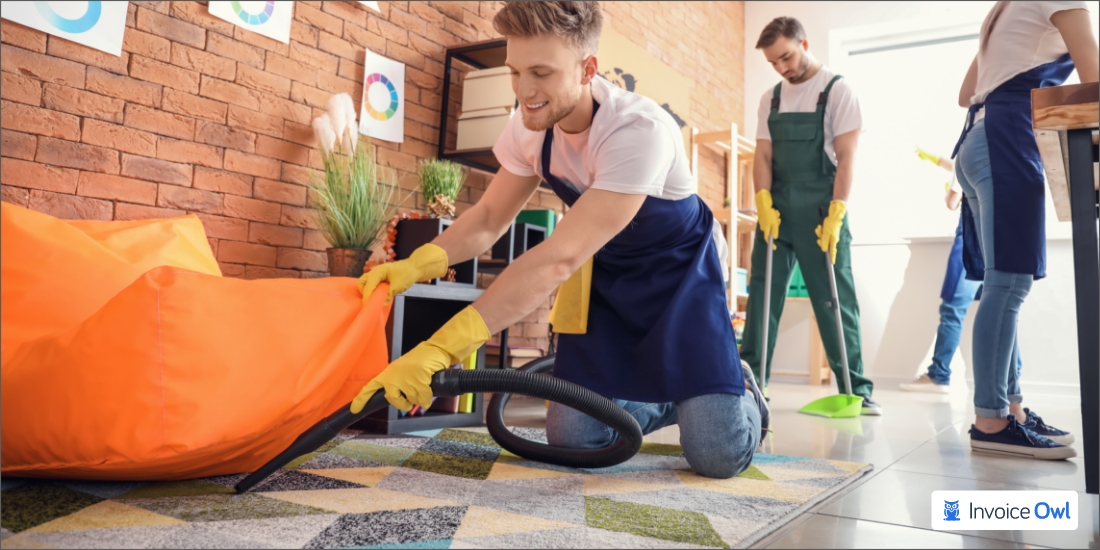
On-demand cleaning jobs would be a new area of concentration for the commercial cleaning industry in addition to conventional cleaning jobs. These opportunities will undoubtedly be useful for generating additional (thousands of dollars) in earnings.
Cleaning Services
Without professional engagement regarding windows, flooring, carpets, office buildings, and other surfaces, we can't get the job done. Specialty cleaning is a business model that is known to be recession-proof.
Cleaning and Laundry
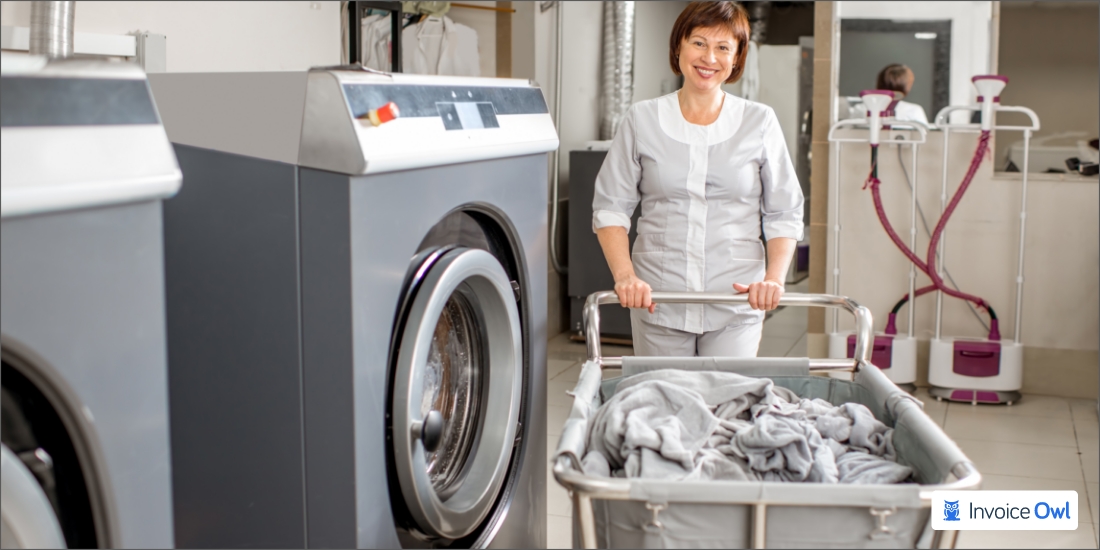
Laundry ranks highly on the list of activities Americans outsource. Customers frequently return to these small businesses, especially once it becomes a part of their lifestyle.
Build a Professional Cleaning Brand
Stand out from the competition with professional estimates, invoices, and customer management tools designed specifically for cleaning businesses.
Start Your FREE TrialFrequently Asked Questions
By all accounts, the cleaning sector is flourishing. The cleaning industry and its niche services are expected to develop by 6.2 percent to $74,299 million by 2022. There will be plenty of cleaning labor because there are so many new buildings worldwide, and the United States is expected to have a 39 percent increase in building square footage by 2050.
It's worth beginning a cleaning business if you have a solid business plan and are prepared to serve a new market segment. Additionally, cleaning services are in high demand and are always necessary, so, probably, you'll always have some revenue coming in.
In the cleaning business, time is money. Working on time management can help you and the consumer because expectations will be more realistic and explicit. Always arrive on time, and plan your workload so that you may complete more than one job daily.
Focus on personalized service, specialized niches (like green cleaning or post-construction cleaning), and building strong relationships with clients. Use technology to appear professional and streamline operations, making you as efficient as larger competitors.
Specialty services like post-construction cleaning, medical facility cleaning, and eco-friendly cleaning typically command higher rates. Commercial cleaning contracts also provide steady, recurring revenue compared to one-time residential jobs.
Related Resources
How Much Do Pool Cleaning Services Cost?
Are you planning to start your own pool cleaning service business? Then read our pricing strategy on how much do pool cleaning service cost as a contractors.
Read more
Training New Cleaning Employees: How to Do it the Right Way
Discover the proven techniques for training new cleaning employees and building a successful cleaning team. Get expert for maximum efficiency.
Read more
Appointment Reminder Templates for Contractors
Here are some appointment reminder templates that you can use for emails and text! It can be used to remind customers of service and get rid of your no-shows!
Read more
10 Best Apps for Cleaning Business in 2026
Discover the 10 best apps for cleaning businesses in 2026 to streamline operations, improve productivity, and maximize efficiency. Upgrade your business today!
Read more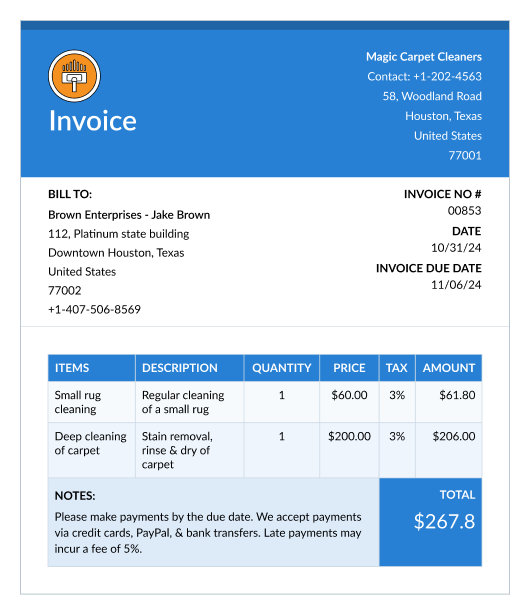
Carpet Cleaning Invoice Template
Carpet cleaning invoice template
Read more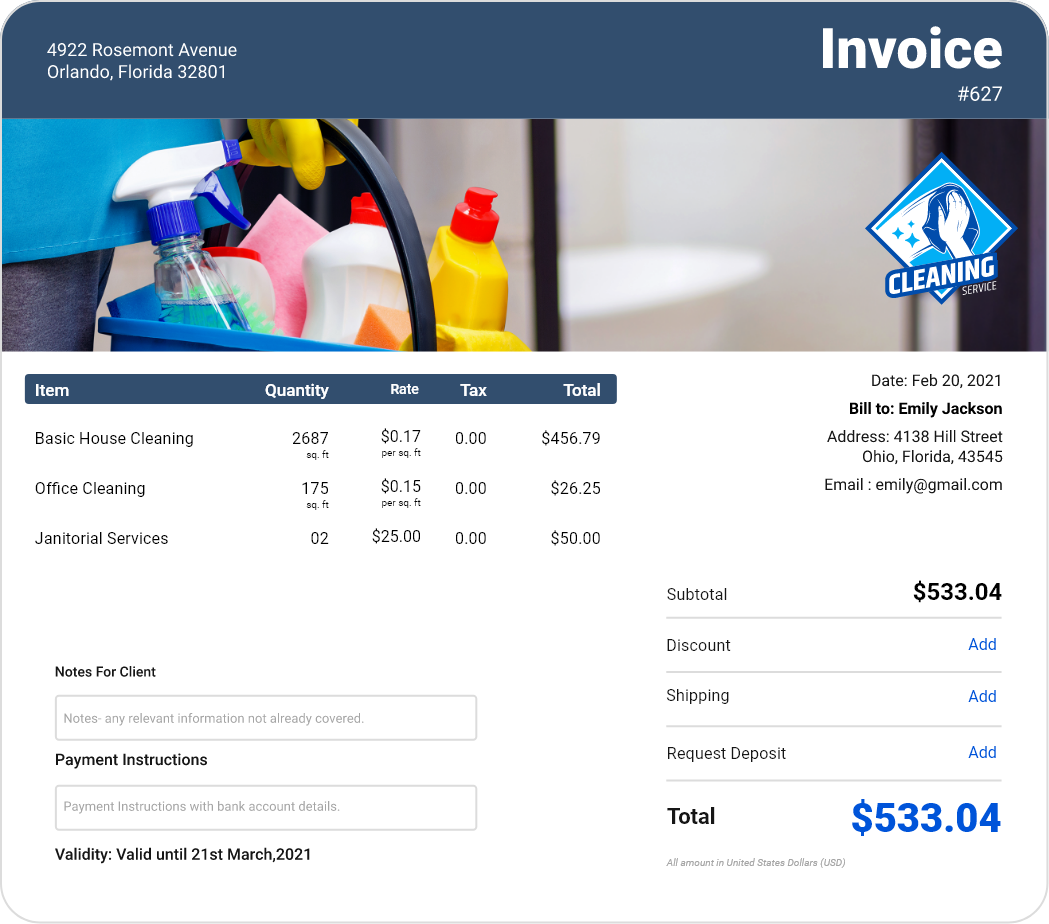
Cleaning Invoice Template
cleaning invoice template
Read more
Free Construction Invoice Template | Customize and Download
Free Construction Invoice Template | Customize and Download
Read more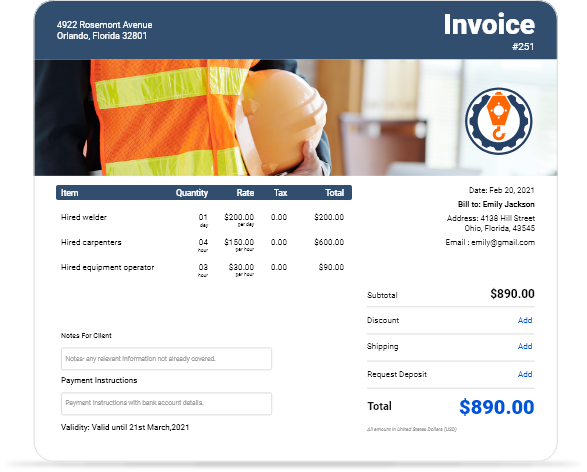
Contractor Invoice Template
Contractor Invoice Template
Read moreHow Much Do Pool Cleaning Services Cost?
Are you planning to start your own pool cleaning service business? Then read our pricing strategy on how much do pool cleaning service cost as a contractors.
Read moreTraining New Cleaning Employees: How to Do it the Right Way
Discover the proven techniques for training new cleaning employees and building a successful cleaning team. Get expert for maximum efficiency.
Read moreAppointment Reminder Templates for Contractors
Here are some appointment reminder templates that you can use for emails and text! It can be used to remind customers of service and get rid of your no-shows!
Read more10 Best Apps for Cleaning Business in 2026
Discover the 10 best apps for cleaning businesses in 2026 to streamline operations, improve productivity, and maximize efficiency. Upgrade your business today!
Read moreCarpet Cleaning Invoice Template
Carpet cleaning invoice template
Read moreCleaning Invoice Template
cleaning invoice template
Read moreFree Construction Invoice Template | Customize and Download
Free Construction Invoice Template | Customize and Download
Read moreContractor Invoice Template
Contractor Invoice Template
Read moreHow Much Do Pool Cleaning Services Cost?
Are you planning to start your own pool cleaning service business? Then read our pricing strategy on how much do pool cleaning service cost as a contractors.
Read moreTraining New Cleaning Employees: How to Do it the Right Way
Discover the proven techniques for training new cleaning employees and building a successful cleaning team. Get expert for maximum efficiency.
Read moreAppointment Reminder Templates for Contractors
Here are some appointment reminder templates that you can use for emails and text! It can be used to remind customers of service and get rid of your no-shows!
Read more10 Best Apps for Cleaning Business in 2026
Discover the 10 best apps for cleaning businesses in 2026 to streamline operations, improve productivity, and maximize efficiency. Upgrade your business today!
Read moreCarpet Cleaning Invoice Template
Carpet cleaning invoice template
Read moreCleaning Invoice Template
cleaning invoice template
Read moreFree Construction Invoice Template | Customize and Download
Free Construction Invoice Template | Customize and Download
Read moreContractor Invoice Template
Contractor Invoice Template
Read more